Sell your Pokemon cards the right way — a complete step-by-step guide
From sorting your first shoebox to shipping graded gems, this guide covers every step of selling Pokemon cards for the best possible return.
Step 1: Sort and evaluate your collection
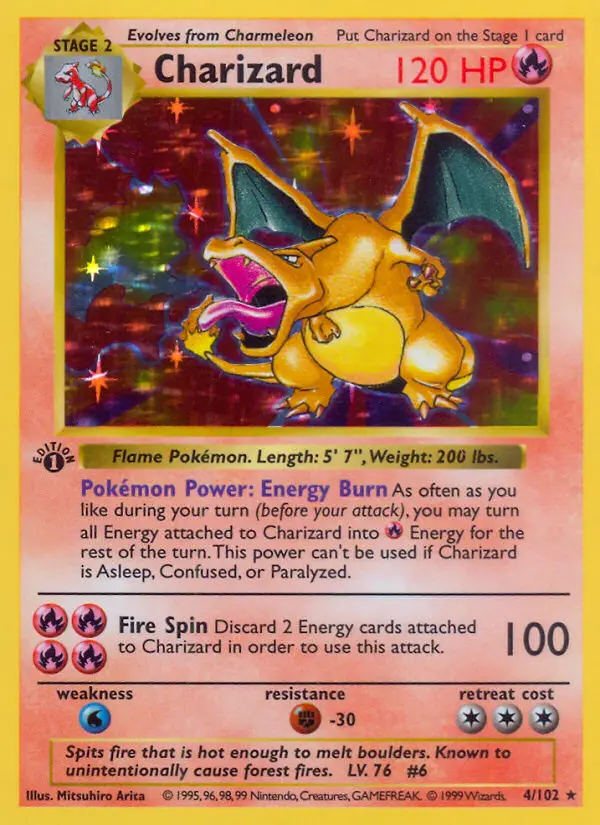
Before you sell anything, sort your cards into categories that reflect how you will price and list them. Start by separating holo rares, reverse holos, full arts, and trainer gallery cards from common and uncommon bulk. Use Pokex to scan cards and instantly see their market value — this eliminates hours of manual lookup on TCGPlayer or price guides. Pull out any card worth $5 or more for individual listing; these are your profit drivers. Cards worth $1-5 can be grouped as playsets or theme lots. Everything else goes in the bulk pile. Look for first edition stamps, shadowless borders, and error cards — these can multiply value by 10x or more. A Base Set Charizard that most people assume is worth hundreds might only be worth $30-50 if it is the unlimited version, while the same card with a first edition stamp could be worth $300+. Condition is critical:哪怕 minor scratches, whitening on edges, or bent corners can cut a card's value by 50% or more. Be honest with yourself about condition — overgrading your own cards leads to returns and negative reviews.
Step 2: Price your cards competitively
Pricing is where most sellers leave money on the table — either pricing too high and getting no sales, or too low and leaving profit behind. Start with the TCGPlayer market price as your baseline, which represents recent sale data rather than asking prices. For eBay listings, check completed sold listings (not active listings) to see what buyers actually paid. Price trending cards at 90-100% of market value for a quick sale. Slow-moving cards should be priced at 80-90% to incentivize buyers. For auction-style listings on eBay, start bids at 70-80% of market value with a Buy It Now at 100-110%. On TCGPlayer, you are competing with other sellers for the same listing, so your price needs to be at or near the lowest available for the same condition. Use Pokex to track price trends over time — selling a card when its price is trending up versus down can mean a 20-40% difference in your final payout. Seasonality matters too: prices typically peak in Q4 (holiday gift buying) and dip in Q1-Q2.
Step 3: Create compelling listings that sell
Great listings have clear photos, accurate descriptions, and strategic titles that include search terms. Photograph cards on a clean, well-lit surface with both front and back visible. Use a macro lens or your phone's close-up mode to show condition details — centering, edge wear, surface scratches, and holo pattern. Honesty in condition assessment prevents returns and builds your seller reputation. Write titles that include the card name, set name, card number, and rarity. For example, "Umbreon VMAX Alt Art Evolving Skies 215/203 Secret Rare PSA 10" covers every search term a buyer might use. Detailed descriptions should mention the exact condition with specific callouts: "light whitening on bottom edge, otherwise near mint." If the card is graded by PSA, BGS, or CGC, include the certification number so buyers can verify. For raw cards, mention whether it has been played or stored in a binder. Set competitive but realistic prices and accept best offers on eBay to encourage negotiation — most serious buyers will submit reasonable offers.
Step 4: Pack and ship like a professional
Proper packaging protects your cards during transit and signals professionalism that earns positive feedback. For single raw cards, place the card in a penny sleeve, then a semi-rigid toploader (not a one-touch magnetic case, which can crack in transit). Tape the toploader opening with a small piece of painter's tape — never use packing tape, which can damage cards when removed. Sandwich the toploader between two pieces of cardboard cut to size and wrap in a team bag or team sleeve. Ship in a bubble mailer for cards under $50 and a small box for anything over $50. For graded cards, wrap in bubble wrap and ship in a box regardless of value. Always use tracked shipping, and add signature confirmation for orders over $100. USPS First Class Package (under 16 oz) costs $4-5 with tracking and arrives in 3-5 days. For international sales, use eBay International Shipping or a forwarder — direct international shipping carries higher risk and cost. Keep records of your shipment including weight and tracking, and photograph the packaged item before sending.
Common questions
01 How do I know what my Pokemon cards are worth before selling?
Use Pokex to scan cards for instant market pricing, or search TCGPlayer for current market prices and eBay completed listings for actual sale data. Check the market price (not the lowest listing price) on TCGPlayer — it reflects recent sales rather than aspirational asking prices. Condition dramatically affects value, so be honest about wear, edge whitening, and surface scratches.
02 Should I get my Pokemon cards graded before selling?
Grade cards that are worth $100+ in raw condition and are likely to score a PSA 9 or 10. A PSA 10 can multiply a card's value by 3-10x over raw near mint. However, grading costs $15-50 per card plus weeks of turnaround time, and lower grades (PSA 6-8) often sell for less than the raw card plus grading cost. Use Pokex to check graded vs. raw price differences before deciding.
03 What is the best way to accept payment when selling Pokemon cards?
On eBay, use Managed Payments (mandatory since 2020) which deposits directly to your bank. On TCGPlayer, payments are handled through the platform. For direct sales, use PayPal Goods and Services — never Friends and Family, which offers zero seller protection. For local cash sales, always meet in a public place and count the money before handing over the cards.
04 How long does it take to sell Pokemon cards?
Individually listed cards at competitive prices typically sell within 1-2 weeks. High-value cards ($100+) may take longer depending on demand. Auction-style eBay listings run for 7 days. Bulk lots and collections can sell in 3-7 days when priced at $0.05-0.10 per card. Local shop sales are instant but pay the lowest rates. The key is pricing correctly — overpriced cards can sit for months.
Related Selling Guides

Know Your Card's Value Before Selling
Get Pokex free. Identify any Pokémon card and see what it is worth in seconds.
No credit card. No signup. Just scan.
Scan to download
Point your phone camera at a code

