Sprzedawaj karty Pokemon we właściwy sposób — kompletny przewodnik krok po kroku
Od sortowania pierwszego pudełka po wysyłkę ocenionych klejnotów — ten przewodnik obejmuje każdy etap sprzedaży kart Pokemon z najlepszym możliwym zwrotem.
Step 1: Sort and evaluate your collection
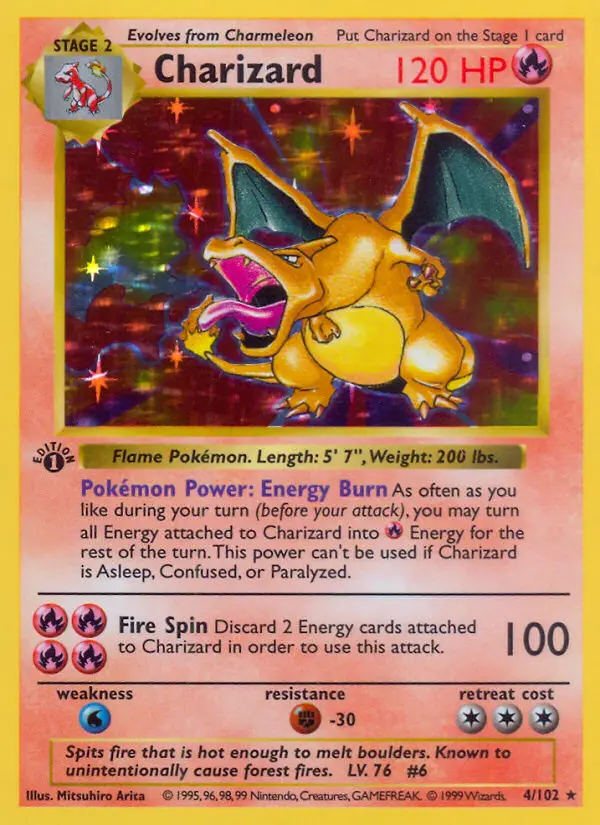
Before you sell anything, sort your cards into categories that reflect how you will price and list them. Start by separating holo rares, reverse holos, full arts, and trainer gallery cards from common and uncommon bulk. Use Pokex to scan cards and instantly see their market value — this eliminates hours of manual lookup on TCGPlayer or price guides. Pull out any card worth $5 or more for individual listing; these are your profit drivers. Cards worth $1-5 can be grouped as playsets or theme lots. Everything else goes in the bulk pile. Look for first edition stamps, shadowless borders, and error cards — these can multiply value by 10x or more. A Base Set Charizard that most people assume is worth hundreds might only be worth $30-50 if it is the unlimited version, while the same card with a first edition stamp could be worth $300+. Condition is critical: even minor scratches, whitening on edges, or bent corners can cut a card's value by 50% or more. Be honest with yourself about condition — overgrading your own cards leads to returns and negative reviews.
Step 2: Price your cards competitively
Pricing is where most sellers leave money on the table — either pricing too high and getting no sales, or too low and leaving profit behind. Start with the TCGPlayer market price as your baseline, which represents recent sale data rather than asking prices. For eBay listings, check completed sold listings (not active listings) to see what buyers actually paid. Price trending cards at 90-100% of market value for a quick sale. Slow-moving cards should be priced at 80-90% to incentivize buyers. For auction-style listings on eBay, start bids at 70-80% of market value with a Buy It Now at 100-110%. On TCGPlayer, you are competing with other sellers for the same listing, so your price needs to be at or near the lowest available for the same condition. Use Pokex to track price trends over time — selling a card when its price is trending up versus down can mean a 20-40% difference in your final payout. Seasonality matters too: prices typically peak in Q4 (holiday gift buying) and dip in Q1-Q2.
Step 3: Create compelling listings that sell
Great listings have clear photos, accurate descriptions, and strategic titles that include search terms. Photograph cards on a clean, well-lit surface with both front and back visible. Use a macro lens or your phone's close-up mode to show condition details — centering, edge wear, surface scratches, and holo pattern. Honesty in condition assessment prevents returns and builds your seller reputation. Write titles that include the card name, set name, card number, and rarity. For example, "Umbreon VMAX Alt Art Evolving Skies 215/203 Secret Rare PSA 10" covers every search term a buyer might use. Detailed descriptions should mention the exact condition with specific callouts: "light whitening on bottom edge, otherwise near mint." If the card is graded by PSA, BGS, or CGC, include the certification number so buyers can verify. For raw cards, mention whether it has been played or stored in a binder. Set competitive but realistic prices and accept best offers on eBay to encourage negotiation — most serious buyers will submit reasonable offers.
Step 4: Pack and ship like a professional
Proper packaging protects your cards during transit and signals professionalism that earns positive feedback. For single raw cards, place the card in a penny sleeve, then a semi-rigid toploader (not a one-touch magnetic case, which can crack in transit). Tape the toploader opening with a small piece of painter's tape — never use packing tape, which can damage cards when removed. Sandwich the toploader between two pieces of cardboard cut to size and wrap in a team bag or team sleeve. Ship in a bubble mailer for cards under $50 and a small box for anything over $50. For graded cards, wrap in bubble wrap and ship in a box regardless of value. Always use tracked shipping, and add signature confirmation for orders over $100. USPS First Class Package (under 16 oz) costs $4-5 with tracking and arrives in 3-5 days. For international sales, use eBay International Shipping or a forwarder — direct international shipping carries higher risk and cost. Keep records of your shipment including weight and tracking, and photograph the packaged item before sending.
Najczęściej zadawane pytania
01 Jak sprawdzić wartość moich kart Pokemon przed sprzedażą?
Użyj Pokex, aby skanować karty i uzyskać natychmiastową wycenę rynkową, lub wyszukaj na TCGPlayer aktualne ceny rynkowe oraz zakończone aukcje na eBay, aby uzyskać rzeczywiste dane sprzedażowe. Sprawdź cenę rynkową (nie najniższą cenę ofertową) na TCGPlayer — odzwierciedla ona ostatnie transakcje, a nie wymarzone ceny wywoławcze. Stan dramatycznie wpływa na wartość, więc bądź szczery w ocenie zużycia, bielenia krawędzi i rysów na powierzchni.
02 Czy powinienem dać ocenić swoje karty Pokemon przed sprzedażą?
Oceniaj karty warte 100 USD lub więcej w stanie surowym, które prawdopodobnie uzyskają ocenę PSA 9 lub 10. PSA 10 może pomnożyć wartość karty 3–10 razy w porównaniu z surowym stanem bliskim mięty. Jednak ocenianie kosztuje 15–50 USD za kartę plus tygodnie czasu realizacji, a niższe oceny (PSA 6–8) często sprzedają się za mniej niż cena surowej karty plus koszt oceniania. Użyj Pokex, aby sprawdzić różnice w cenach między ocenionymi a surowymi kartami przed podjęciem decyzji.
03 Jaki jest najlepszy sposób przyjmowania płatności przy sprzedaży kart Pokemon?
Na eBay korzystaj z Managed Payments (obowiązkowe od 2020 roku), które bezpośrednio zasila Twoje konto bankowe. Na TCGPlayer płatności są obsługiwane przez platformę. W przypadku sprzedaży bezpośredniej używaj PayPal Towary i Usługi — nigdy Znajomi i Rodzina, które nie oferują żadnej ochrony sprzedawcy. W przypadku lokalnej sprzedaży gotówkowej zawsze spotykaj się w miejscu publicznym i przelicz pieniądze przed przekazaniem kart.
04 Jak długo trwa sprzedaż kart Pokemon?
Indywidualnie wystawione karty w konkurencyjnych cenach zazwyczaj sprzedają się w ciągu 1–2 tygodni. Karty o wysokiej wartości (100 USD+) mogą wymagać więcej czasu w zależności od popytu. Aukcje eBay trwają 7 dni. Partie masowe i kolekcje mogą sprzedać się w 3–7 dni, gdy są wycenione na 0,05–0,10 USD za kartę. Lokalne sklepy kupują natychmiast, ale oferują najniższe stawki. Kluczem jest prawidłowa wycena — zawyżone karty mogą leżeć miesiącami.
Related Selling Guides

Know Your Card's Value Before Selling
Pobierz Pokex za darmo — zidentyfikuj i wyceń dowolną kartę Pokémon w kilka sekund.
Bez karty. Bez rejestracji. Po prostu skanuj.
Zeskanuj, aby pobrać
Skieruj aparat telefonu na kod

