Verkaufe deine Pokémon-Karten richtig – eine vollständige Schritt-für-Schritt-Anleitung
Vom Sortieren deiner ersten Schuhschachtel bis zum Versenden bewerteter Topkarten – dieser Leitfaden deckt jeden Schritt des Verkaufs von Pokémon-Karten für den bestmöglichen Ertrag ab.
Step 1: Sort and evaluate your collection
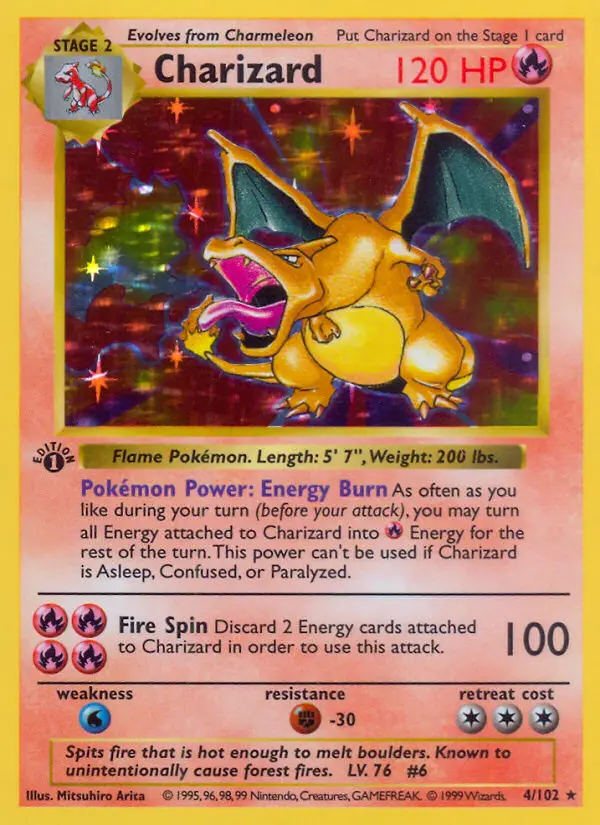
Before you sell anything, sort your cards into categories that reflect how you will price and list them. Start by separating holo rares, reverse holos, full arts, and trainer gallery cards from common and uncommon bulk. Use Pokex to scan cards and instantly see their market value — this eliminates hours of manual lookup on TCGPlayer or price guides. Pull out any card worth $5 or more for individual listing; these are your profit drivers. Cards worth $1-5 can be grouped as playsets or theme lots. Everything else goes in the bulk pile. Look for first edition stamps, shadowless borders, and error cards — these can multiply value by 10x or more. A Base Set Charizard that most people assume is worth hundreds might only be worth $30-50 if it is the unlimited version, while the same card with a first edition stamp could be worth $300+. Condition is critical: even minor scratches, whitening on edges, or bent corners can cut a card's value by 50% or more. Be honest with yourself about condition — overgrading your own cards leads to returns and negative reviews.
Step 2: Price your cards competitively
Pricing is where most sellers leave money on the table — either pricing too high and getting no sales, or too low and leaving profit behind. Start with the TCGPlayer market price as your baseline, which represents recent sale data rather than asking prices. For eBay listings, check completed sold listings (not active listings) to see what buyers actually paid. Price trending cards at 90-100% of market value for a quick sale. Slow-moving cards should be priced at 80-90% to incentivize buyers. For auction-style listings on eBay, start bids at 70-80% of market value with a Buy It Now at 100-110%. On TCGPlayer, you are competing with other sellers for the same listing, so your price needs to be at or near the lowest available for the same condition. Use Pokex to track price trends over time — selling a card when its price is trending up versus down can mean a 20-40% difference in your final payout. Seasonality matters too: prices typically peak in Q4 (holiday gift buying) and dip in Q1-Q2.
Step 3: Create compelling listings that sell
Great listings have clear photos, accurate descriptions, and strategic titles that include search terms. Photograph cards on a clean, well-lit surface with both front and back visible. Use a macro lens or your phone's close-up mode to show condition details — centering, edge wear, surface scratches, and holo pattern. Honesty in condition assessment prevents returns and builds your seller reputation. Write titles that include the card name, set name, card number, and rarity. For example, "Umbreon VMAX Alt Art Evolving Skies 215/203 Secret Rare PSA 10" covers every search term a buyer might use. Detailed descriptions should mention the exact condition with specific callouts: "light whitening on bottom edge, otherwise near mint." If the card is graded by PSA, BGS, or CGC, include the certification number so buyers can verify. For raw cards, mention whether it has been played or stored in a binder. Set competitive but realistic prices and accept best offers on eBay to encourage negotiation — most serious buyers will submit reasonable offers.
Step 4: Pack and ship like a professional
Proper packaging protects your cards during transit and signals professionalism that earns positive feedback. For single raw cards, place the card in a penny sleeve, then a semi-rigid toploader (not a one-touch magnetic case, which can crack in transit). Tape the toploader opening with a small piece of painter's tape — never use packing tape, which can damage cards when removed. Sandwich the toploader between two pieces of cardboard cut to size and wrap in a team bag or team sleeve. Ship in a bubble mailer for cards under $50 and a small box for anything over $50. For graded cards, wrap in bubble wrap and ship in a box regardless of value. Always use tracked shipping, and add signature confirmation for orders over $100. USPS First Class Package (under 16 oz) costs $4-5 with tracking and arrives in 3-5 days. For international sales, use eBay International Shipping or a forwarder — direct international shipping carries higher risk and cost. Keep records of your shipment including weight and tracking, and photograph the packaged item before sending.
Häufige Fragen
01 Wie erkenne ich, was meine Pokémon-Karten vor dem Verkauf wert sind?
Nutze Pokex, um Karten für sofortige Marktpreise zu scannen, oder suche auf TCGPlayer nach aktuellen Marktpreisen und auf eBay nach abgeschlossenen Verkäufen für tatsächliche Verkaufsdaten. Beachte den Marktpreis (nicht den niedrigsten Angebotspreis) auf TCGPlayer – er spiegelt aktuelle Verkäufe wider, nicht Wunschpreise. Der Zustand beeinflusst den Wert erheblich, also sei ehrlich hinsichtlich Abnutzung, Randverfärbungen und Oberflächenkratzern.
02 Sollte ich meine Pokémon-Karten vor dem Verkauf bewerten lassen?
Lass Karten bewerten, die im unbewerteten Zustand 100 € oder mehr wert sind und wahrscheinlich eine PSA 9 oder 10 erzielen. Eine PSA 10 kann den Wert einer Karte um das 3- bis 10-Fache gegenüber einer unbewerteten Near-Mint-Karte steigern. Allerdings kosten Bewertungen 15–50 € pro Karte zuzüglich mehrerer Wochen Bearbeitungszeit, und niedrigere Bewertungen (PSA 6–8) erzielen oft weniger als die unbewertete Karte plus Bewertungskosten. Nutze Pokex, um Preisunterschiede zwischen bewerteten und unbewerteten Karten zu prüfen, bevor du dich entscheidest.
03 Wie nehme ich am besten Zahlungen beim Verkauf von Pokémon-Karten entgegen?
Auf eBay verwende Managed Payments (seit 2020 verpflichtend), das direkt auf dein Bankkonto einzahlt. Auf TCGPlayer werden Zahlungen über die Plattform abgewickelt. Bei Direktverkäufen nutze PayPal Waren und Dienstleistungen – niemals Freunde und Familie, das keinerlei Verkäuferschutz bietet. Bei lokalen Barverkäufen triff dich immer an einem öffentlichen Ort und zähle das Geld, bevor du die Karten aushändigst.
04 Wie lange dauert es, Pokémon-Karten zu verkaufen?
Einzeln gelistete Karten zu wettbewerbsfähigen Preisen verkaufen sich typischerweise innerhalb von 1–2 Wochen. Hochwertige Karten (100 € oder mehr) können je nach Nachfrage länger brauchen. Auktions-Listings auf eBay laufen 7 Tage. Bulk-Lots und Sammlungen können sich in 3–7 Tagen verkaufen, wenn sie bei 0,05–0,10 € pro Karte bepreist sind. Lokale Ladenverkäufe sind sofort, zahlen aber die niedrigsten Preise. Entscheidend ist die richtige Preisgestaltung – überteuerte Karten können monatelang unverkauft bleiben.
Related Selling Guides

Know Your Card's Value Before Selling
Lade Pokex kostenlos herunter — identifiziere und bewerte jede Pokemon-Karte in Sekunden.
Keine Kreditkarte. Keine Anmeldung. Einfach scannen.
Zum Herunterladen scannen
Richte die Kamera deines Handys auf einen Code

