Know exactly what your Pokemon cards are worth
Card value depends on far more than rarity alone. Learn how condition, set, edition, grading, and market demand combine to determine real-world prices.
What determines a Pokemon card's value
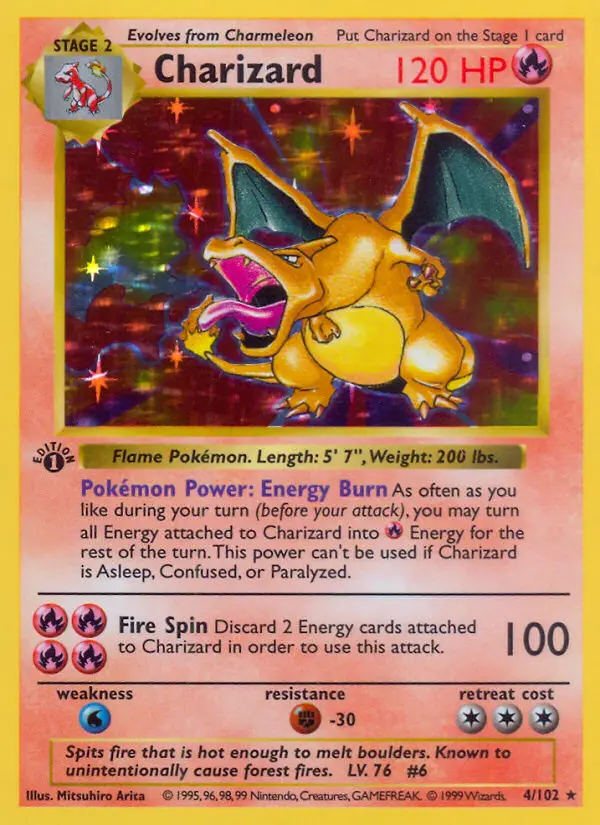
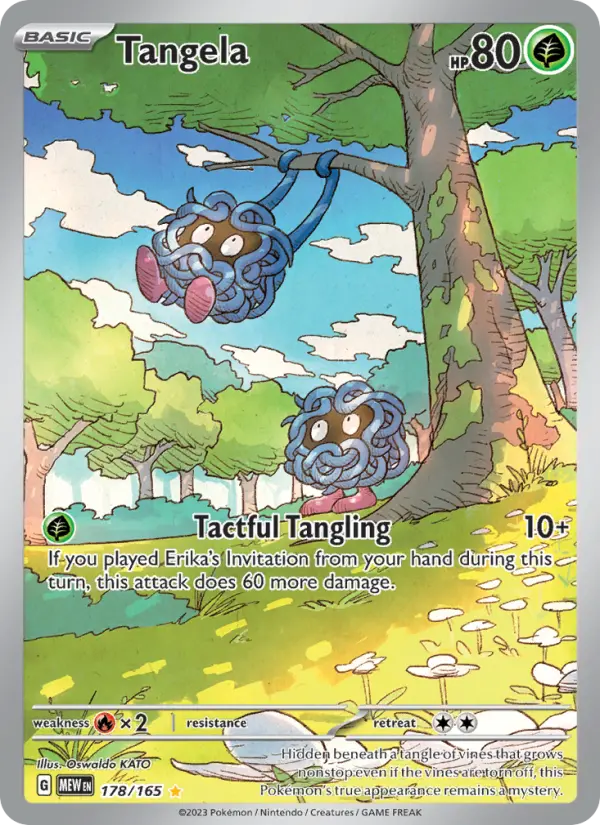
A Pokemon card's value is the product of multiple intersecting factors. Rarity is the starting point — a Common Unlimited Base Set Pikachu is worth $0.10 while the Secret Rare Rainbow Rare from the same era commands $5-15. But rarity alone does not dictate price. Demand driven by competitive play, nostalgia, and pop culture relevance matters enormously. Charizard cards consistently command premiums not because they are the rarest, but because Charizard is the most iconic Pokemon. Condition is equally critical. A Near Mint First Edition Base Set Charizard sells for $350-420, while the same card with moderate wear drops to $80-120 — a 70% reduction. Set and print run matter too: 1st Edition cards from 1999-2000 carry massive premiums over Unlimited reprints. The_charset of the card (Japanese vs. English), whether it is a promo, and its card number within the set all influence desirability. Alt art cards from Evolving Skies and subsequent sets created a new price tier because their illustration rarity transcends competitive utility — people buy them as art pieces, driving prices to $80-300+ for a single card.
How to assess card condition like a professional grader
Condition accounts for the biggest price variance in Pokemon cards. Professional grading companies like PSA, BGS, and CGC evaluate four sub-grades: centering (front and back), corners, edges, and surface. Centering is measured as the left/right and top/bottom border ratio. PSA requires 60/40 or better on the front for a 10; BGS requires 55/45 for a Pristine 10. You can check centering visually — if the borders look noticeably uneven, the card will not grade a 10. Corners should be sharp with no fraying, dings, or whitening. Even slight corner wear drops a card from Near Mint to Lightly Played, reducing value by 30-50%. Edges are inspected for whitening, nicks, and chipping. Surface condition includes scratches (especially on holos visible under angled light), print lines, and any creasing or bending. Use a smartphone flashlight at a 45-degree angle to see surface imperfections that are invisible in direct light. Cards that have been played outside of sleeves almost always have edge and surface wear. When in doubt, grade conservatively — describing a Lightly Played card as Near Mint Angry buyers leave negative feedback.
Understanding price guides and real market data
TCGPlayer Market Price is the most widely used real-time price metric for Pokemon cards. It reflects a rolling weighted average of recent verified sales, not asking prices. TCGPlayer also shows Low, Mid, and High prices — Low is the lowest currently listed price, Mid is the average of available listings, and High is the highest. Market Price is the number to use for actual valuation. eBay completed listings provide another data point showing what real buyers paid in auction and Buy It Now formats. Price trends matter as much as current price. A card worth $50 today might have been $30 three months ago and trending upward, or $80 two months ago and declining. Use Pokex to track historical price charts and spot trends before selling. Cards from recent sets typically lose 30-50% of their value in the first 3-6 months after release as supply increases, then stabilize. High-demand alt arts and chase cards are exceptions that can appreciate. Vintage cards from WOTC-era sets (1999-2003) generally appreciate over time due to shrinking supply and growing collector interest.
Graded vs. raw card values and when grading pays off
Grading a Pokemon card transforms it from a subjective-condition item into a standardized, verified asset — but only when the math works in your favor. PSA 10 grades command the largest premium: a $50 raw card that grades PSA 10 could sell for $150-500 depending on the card. PSA 9 adds a smaller premium (20-40%), while PSA 8 and below often sell for less than the raw card would have because they confirm poor condition. BGS Black Label 10 is the rarest grade and commands the highest premiums — sometimes 5-10x the PSA 10 price — but requires perfection across all four sub-grades. CGC 10 pricing tracks close to PSA 9 since CGC's 10 standard is less strict than PSA's. Before submitting cards for grading, calculate: grading cost ($15-50 depending on service level) plus shipping both ways plus turnaround time (2-8 weeks). A card worth $20 raw that might grade a 9 is not worth grading — you will spend $30+ on grading for a card that sells for $28. Grade cards worth $100+ raw that are likely to receive a 9 or 10. Check the PSA Population Report to see how many of your card already exist in high grades — a PSA 10 of a card with 2,000 existing PSA 10s commands a much smaller premium than one with only 50.
Common questions
01 How can I check my Pokemon card value for free?
Download Pokex and scan any card for instant market pricing based on real sales data. You can also search TCGPlayer for free to see market prices, or check eBay completed listings (filter by "Sold Items"). Both sources reflect actual transaction data rather than aspirational listing prices.
02 Do Pokemon cards go up in value over time?
Vintage WOTC-era cards (Base Set through Skyridge, 1999-2003) have consistently appreciated due to shrinking supply and growing collector demand. Modern cards are more speculative — most lose 30-50% within months of release, but chase cards like alt arts, illustration rares, and promotional cards can appreciate significantly. Competitive play demand also drives prices; when a card becomes meta-relevant, its price can spike dramatically.
03 What is the most valuable Pokemon card?
The 1998 Pikachu Illustrator promo holds the record, with a PSA 10 example selling for over $5 million. Among standard set cards, a PSA 10 First Edition Base Set Charizard sells for $400-500, while a Shadowless version can reach $1,000+. Modern chase cards like the Umbreon VMAX Alt Art have reached $300-400 for raw near mint copies.
04 Does card condition really affect value that much?
Condition is the single largest factor after rarity. A Near Mint card vs. a Moderately Played card of the same print can differ by 50-80% in value. For high-end cards, the difference is even more dramatic — a PSA 10 First Edition Base Set Charizard sells for 5-10x what a PSA 7 of the same card fetches. Always assess condition honestly before pricing.
Related Selling Guides

Know Your Card's Value Before Selling
Get Pokex free. Identify any Pokémon card and see what it is worth in seconds.
No credit card. No signup. Just scan.
Scan to download
Point your phone camera at a code

