PSA vs CGC
Две самые популярные грейдинговые компании для карт Pokemon подходят к делу по-разному. PSA делает ставку на бренд и перепродажу. CGC — на прозрачность и value. Сравнение по всем измерениям, важным для вашего решения.
Стандарты и методология грейдинга
PSA даёт один overall грейд по шкале 1–10 с половинами. Грейд отражает holстическое состояние — PSA не раскрывает веса факторов. Одно число простое, но не объясняет, почему карта получила именно его. CGC даёт четыре подгрейда (Centering, Corners, Edges, Surface) 1–10 с половинами; overall равен самому низкому. Видно, где потеряны пункты: 9.5 с 10/9.5/10/9.5 значит, что ограничили corners и surface. CGC обычно строже по surface — print lines и holo-царапины. PSA чуть мягче по surface, но строже по centering. На практике многие PSA 10 получили бы CGC 9.5 или 9 из‑за surface, а часть CGC 9.5 с идеальным центрированием могла бы получить PSA 10.
Сравнение стоимости и сроков
CGC заметно дешевле на каждом уровне. Economy: CGC $12 vs PSA $20. Standard: CGC $18 vs PSA $35–40. Express: CGC $30 vs PSA $65–75. Walk-Through/Super Express: CGC $50 vs PSA $100+. CGC не жёстко режет declared value по tier: карту $500 можно сдать на Economy $12 (дольше). PSA требует выше tier для дорогих карт — over $999 нельзя на Value, только Regular $35+. На Economy сроки сопоставимы (оба ~55–65 рабочих дней); PSA Express 15–20 vs CGC Express 15. PSA Super Express 5–7 — когда нужно срочно. На Economy 10+ карт CGC экономит $8–20 за карту, то есть $80–200 на типичном сабмите.
Перепродажа и рыночный спрос
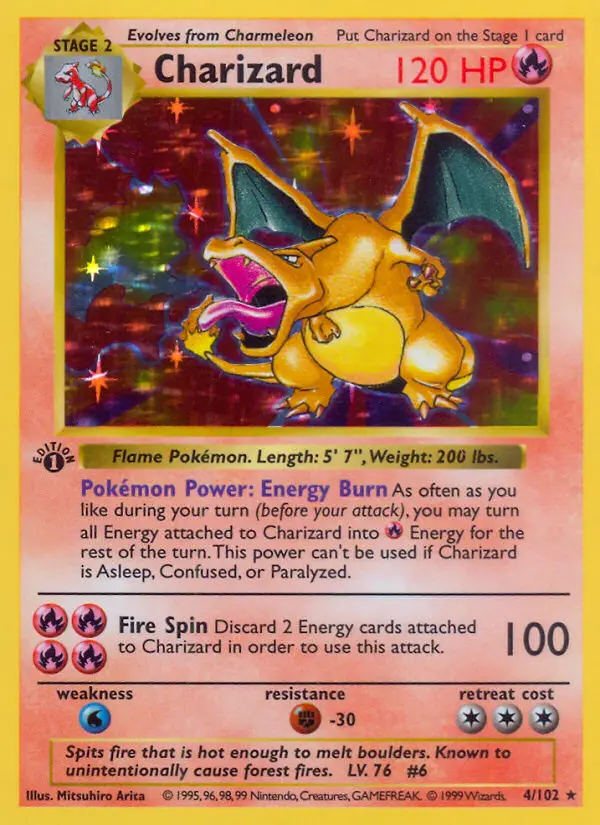
PSA остаётся gold standard перепродажи на рынке карт Pokemon. PSA 10 винтажа обычно продаётся в 1,5–3× CGC 10 или Pristine 10. Base Set Charizard PSA 10 — примерно 2–3× CGC 10 и 1,3–1,5× CGC Pristine 10. Modern chase похожи: PSA 10 Umbreon VMAX alt art — 1,5–2× CGC 10. Разрыв сужается по мере принятия CGC, но high-end аукционы всё ещё за PSA. Исключение — CGC Pristine 10: часто у/около PSA 10 при очень низком population из‑за более строгого стандарта. BGS 10 и Black Label обгоняют PSA и CGC на самых редких картах. Для покупателей CGC 9.5 и 10 — отличный value: CGC 9.5 часто на 40–60% дешевле PSA 10 при минимальной разнице в состоянии.
Что выбрать?
Выбирайте PSA, если: грейдите в основном на перепродажу, карты $100+ raw, нужна максимальная ликвидность на аукционе или самый узнаваемый бренд. PSA 10 — рыночный стандарт с самым глубоким пулом покупателей. Выбирайте CGC, если: строите личную коллекцию и цените прозрачность подгрейдов, грейдите mid-value ($10–100 raw), где cost сильно бьёт по ROI, хотите лучший value за доллар fees или предпочитаете эстетику холдера и лейбла CGC. Многие опытные коллекционеры используют оба: PSA для investment-grade high-value, CGC для остального, где ниже cost и подгрейды дают больше value. Hybrid максимизирует ROI портфеля. Ключ всегда один: projected PSA 10 value − total PSA cost vs projected CGC Pristine 10 value − total CGC cost. Что даёт больший net return — то и лучше для этой карты.
Часто задаваемые вопросы
01 Что продаётся дороже — PSA или CGC?
PSA 10 в среднем продаются в 1,5–3× дороже аналогов CGC 10. CGC Pristine 10 сужает разрыв до 70–90% цены PSA 10 на большинстве карт. Для максимума перепродажи выбирайте PSA.
02 CGC строже PSA?
CGC обычно строже по surface (print lines, царапины), сопоставим по centering и corners. CGC даёт подгрейды — видно, где сняли пункты. Один грейд PSA менее прозрачен.
03 Можно ли сдать одну карту и в PSA, и в CGC?
Не одновременно. Можно сдать raw в PSA, получить грейд, crack out slab и сдать в CGC (или наоборот). Это cross-grading — распространённая практика, но второй грейдер может поставить ниже.
04 Какая компания лучше для новичков?
CGC лучше для старта: ниже cost ($12 Economy), подгрейды помогают понять состояние, нет жёстких ограничений declared value по tier. Начните с CGC на нескольких mid-value картах, прежде чем вкладываться в PSA.
Related Grading Guides

Scan Your Cards Before Grading
Скачайте Pokex бесплатно — определяйте и оценивайте любую карту Pokemon за секунды.
Без карты. Без регистрации. Просто сканируйте.
Сканируйте для загрузки
Наведите камеру телефона на код

