Near Mint — золотая середина для коллекционеров
Near Mint — самое часто торгуемое состояние коллекционных карт Pokémon. Что именно значит Near Mint, как оценивать и почему это лучшая ценность для большинства коллекционеров.
Что относится к Near Mint (PSA 9 или NM)
Near Mint (NM) описывает карту Pokémon с минимальным износом, видимым только при близком осмотре. На шкале PSA это соответствует PSA 9 (Mint) — путаница в том, что PSA «Mint» — не то же самое, что «Gem Mint» (PSA 10), поэтому TCG-сообщество обычно говорит «Near Mint» про то, что PSA зовёт 9. У NM четыре острых угла без видимого побеления или износа при обычном просмотре, хотя опытный глаз или увеличение могут поймать очень лёгкие несовершенства на одном углу. Края чистые — без зазубрин, вмятин и видимого побеления. Центровка примерно 65/35 или лучше на лицевой стороне и 75/25 или лучше на обороте. Поверхность без царапин, заломов и крупных дефектов печати; одна мелкая линия печати или едва видимая потёртость допустимы. Голографические паттерны целы без потёртостей при стандартном освещении. Near Mint — базовое состояние, которым большинство онлайн-маркетплейсов ценообразуют: «market price» на TCGplayer или eBay почти всегда подразумевает Near Mint, если не указано иное.
Near Mint vs Mint — когда разница важна
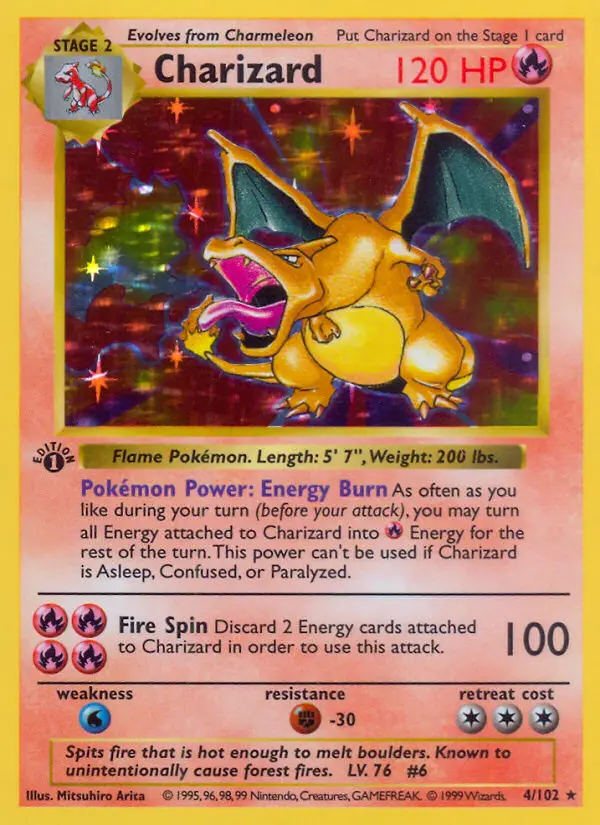
Ценовой разрыв между Near Mint (PSA 9) и Gem Mint (PSA 10) драматично зависит от редкости и спроса. Для common и uncommon дешевле $5 разницы NM/Mint практически нет — покупателям важна играбельность, не состояние. Для востребованных Ultra Rare и illustration rare за $20–$100 премия от NM к Mint обычно 30–80% — достаточно, чтобы оправдать сборы грейдинга для карт NM+, но не перелом для большинства сделок. Настоящий разрыв на верхнем конце: PSA 10 Base Set Charizard может стоить в 10–20 раз дороже PSA 9, потому что пул PSA 10 винтажных голограмм крайне мал, а спрос на идеальные экземпляры далеко превышает предложение. Большинству коллекционеров для удовольствия Near Mint — лучшая ценность: карта практически идеальна невооружённым глазом за долю цены Gem Mint. Только registry-сеты или investment-grade slab'ы требуют приоритета PSA 10 над PSA 9.
Покупка и продажа Near Mint карт
Покупая Near Mint онлайн, всегда просите фото в высоком разрешении лицевой и оборотной сторон плюс крупные планы всех четырёх углов и поверхности голограммы. Многие продавцы грейдят консервативно (LP как NM, чтобы избежать возвратов), другие завышают (damaged как NM ради цены). Защитите себя: внимательно читайте описание и отзывы о прошлых спорах о состоянии. Продавая NM, будьте честны и чуть консервативны — лучше продать NM, превышающую ожидания, чем разочаровать. Фотографируйте обе стороны под ярким косым светом, раскрывающим дефекты поверхности, и раскрывайте любой известный дефект, даже если он укладывается в допуски NM. Для карт дороже $50 рассмотрите профессиональный грейдинг — убирает неоднозначность и позволяет более высокую цену продажи. На TCGplayer точное указание состояния обязательно: платформа позволяет возвраты по состоянию, систематическое завышение ведёт к негативным отзывам.
Часто задаваемые вопросы
01 Достаточен ли Near Mint для турнирной игры?
Да. Near Mint полностью легален во всех форматах Pokémon TCG. Политика The Pokémon Company допускает небольшой износ, пока карты опознаваемы и не помечены. Обычно судьи отмечают только явно повреждённые карты (заломы, разрывы, вода).
02 Насколько Near Mint влияет на ценность по сравнению с Mint?
Для большинства современных карт дешевле $20 NM и Mint почти идентичны — обычно в пределах 5–10%. Для high-demand chase дороже $50 NM типично продаются за 30–60% цены Mint. Для винтажных голограмм NM может быть 20–50% цены Mint (PSA 10) в зависимости от редкости.
03 Может ли Near Mint со временем стать Mint?
Нет — состояние только ухудшается, никогда не улучшается. Near Mint уже имеет лёгкий износ, который нельзя обратить. Профессиональная реставрация (чистка, прессование) иногда улучшает внешний вид, но детектируется грейдерами и обычно даёт пометку «altered», а не более высокий числовой грейд.
04 Какой самый частый дефект, мешающий Near Mint?
Побеление краёв и износ углов. Даже минимальное обращение даёт лёгкое побеление на оборотных краях holo-карт, одна тасовка или сессия в колоде может округлить угол достаточно для перехода NM→LP. Всегда сразу надевайте протектор и берите карту за края, чтобы сохранить NM.
Related Condition Guides

Check Your Card's Condition
Скачайте Pokex бесплатно — определяйте и оценивайте любую карту Pokemon за секунды.
Без карты. Без регистрации. Просто сканируйте.
Сканируйте для загрузки
Наведите камеру телефона на код

