Вершина состояния карты
PSA 10 Gem Mint — высший грейд карты Pokémon. Что нужно, чтобы получить этот статус, и почему mint-карты берут такие выдающиеся премии.
Что определяет карту Gem Mint (PSA 10)
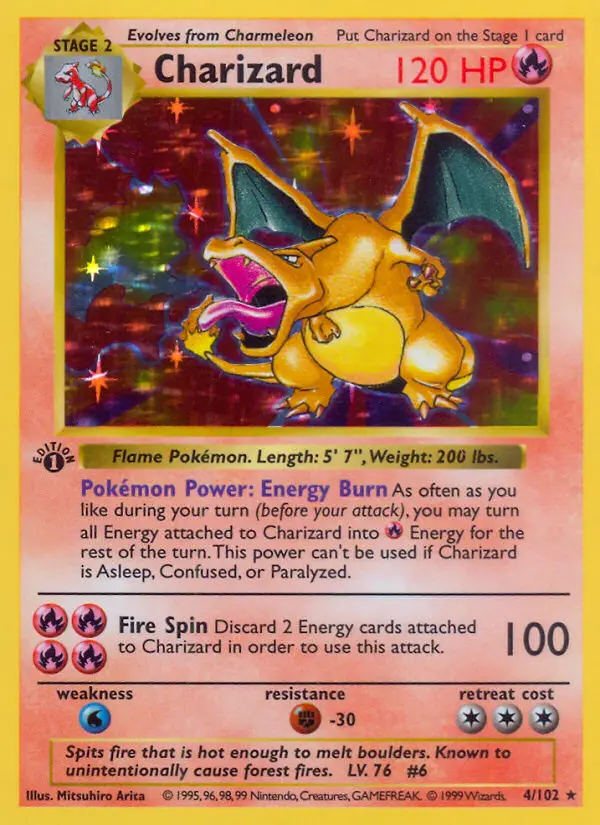
Карта PSA 10 Gem Mint должна соответствовать чрезвычайно строгим критериям по четырём категориям: углы, края, центровка и поверхность. Все четыре угла идеально острые — без лохматости, побеления или округления даже под 10-кратным увеличением. Края полностью без зазубрин, вмятин и побеления. Центровка 60/40 или лучше на лицевой и оборотной сторонах — поля могут отличаться не более чем 60% на одной стороне и 40% на другой. Поверхность безупречна: без царапин, линий печати, потёртостей и заводских дефектов. Даже одна слабая точка печати, тончайшая потёртость от одной тасовки или угол на 5% менее острый, чем идеал, роняют грейд до PSA 9 (Mint) или ниже. PSA 10 так трудно достичь, что даже карта из свежего бустера, сразу надетая в протектор, иногда не проходит из‑за заводских дефектов печати, видимых только под увеличением грейдинга. Именно эта крайняя избирательность двигает огромную ценовую премию — PSA 10 Base Set Charizard может стоить в 10–20 раз дороже той же карты в PSA 7.
Как оценить карты на mint condition
Перед отправкой на грейдинг оцените сами, есть ли потенциал PSA 10. Начните с центровки: на расстоянии руки сравните лицевые поля — если одна сторона заметно шире, PSA 10 маловероятен. Используйте инструмент центровки или линейку для точных измерений; цели: лицевая 55/45 или лучше, оборот 60/40 или лучше. Далее осмотрите все четыре угла под ярким светом, наклоняя карту, чтобы поймать побеление или округление. Малейший намёк на белое на углу убирает шанс PSA 10. Края — осторожно ногтем вдоль каждого, ищите зазубрины и шероховатости; побеление — под прямым светом. Поверхность — яркий косой свет: наклоняйте карту под настольной лампой, ищите царапины, линии печати и holo-потёртости, невидимые при обычном освещении. Лупа 5–10× выявляет дефекты поверхности, невидимые невооружённым глазом. Нашли любой дефект в любой категории — не тратьте деньги на отправку в расчёте на PSA 10.
Как сохранять mint condition
Поддержание mint требует активной защиты с момента вскрытия бустера. Сразу perfect-fit (внутренний) протектор, затем стандартный внешний — двойные протекторы против царапин, пыли и влажности. Никогда не касайтесь поверхности голыми руками: кожный жир оставляет невидимый налёт, деградирующий foil. Если нужно взять карту — только за края или в чистых хлопковых перчатках. Mint-карты храните в жёстких магнитных холдерах или топлоадерах внутри team bags, никогда в мягких страницах биндера, прижимающих поверхность и создающих микроцарапины. Климат-контроль: 18–22°C, 40–50% влажности, вдали от прямого солнца и люминесцентного света. При отправке mint на грейдинг: двойные протекторы, магнитный холдер, пузырчатая плёнка, жёсткая коробка со страховкой — карта, прибывшая в PSA даже с мелкой новой царапиной, грейдится ниже ожидаемого, теряя и сборы, и перепродажную ценность.
Часто задаваемые вопросы
01 Насколько редок PSA 10 у современных карт Pokémon?
Доля PSA 10 сильно зависит от сета и типа карты. У современных holo и ultra rares PSA 10 — примерно 30–50% submissions, многие карты из свежих бустеров действительно получают Gem Mint. У винтажных WotC-голограмм доля PSA 10 ниже 5% из‑за качества печати и износа за десятилетия.
02 Окупает ли PSA 10 стоимость грейдинга?
Зависит от ценности карты. Если «сырая» карта стоит $50+ и есть разумный шанс PSA 10, сбор $15–$30 часто оправдан — лейбл PSA 10 может умножить ценность в 2–10 раз. Для карт дешевле $20 грейдинг редко окупается, если только вы не грейдите для личной коллекции.
03 Чем PSA 10 отличается от PSA 9?
PSA 9 (Mint) допускает очень мелкие недостатки: центровку до 65/35, один слегка «мягкий» угол или одну едва видимую линию печати. PSA 10 (Gem Mint) требует почти идеала во всех категориях — карта, будто только с печатного пресса, без следов обращения. Разница в цене между грейдами может быть огромной для редких карт.
04 Может ли карта из свежего бустера не быть PSA 10?
Абсолютно. Карты из свежих бустеров могут иметь заводские дефекты печати (линии печати, следы валов, ошибки совмещения красок), смещённую печать или лёгкое сжатие углов от упаковки. Многие карты, идеальные невооружённым глазом, получают PSA 8 или 9 под увеличением на грейдинге.
Related Condition Guides

Check Your Card's Condition
Скачайте Pokex бесплатно — определяйте и оценивайте любую карту Pokemon за секунды.
Без карты. Без регистрации. Просто сканируйте.
Сканируйте для загрузки
Наведите камеру телефона на код

