Damaged — When Wear Becomes Destruction
Damaged (Poor) condition represents the lowest tier of card quality. Here's how to identify damaged cards, whether they have any remaining value, and when to recycle rather than sell.
What Qualifies as Damaged (Poor) Condition
Damaged (also called Poor or D) condition describes Pokémon cards with major structural defects that go well beyond normal wear. These include: deep creases that break through the card stock and are visible from both sides, tears or rips of any size, large sections of missing card stock (torn corners, clipped edges), heavy water damage causing the card to feel spongy, warped, or delaminated, mold or mildew damage, burns, holes, or punctures, heavy writing or marker across the card face that obscures the artwork or text, ink stains and other chemical damage that bleeds through the card, and any damage that makes the card difficult to read or identify at a glance. Damaged cards are not suitable for tournament play (they're identifiable from the back and often from across the table), not suitable for display in a quality collection, and generally only useful as ultra-budget placeholders or collectible curiosities. Most damaged cards from modern sets have essentially zero monetary value, though damaged vintage holos and iconic character cards may still attract niche buyers at deeply discounted prices.
Does a Damaged Card Have Any Value?
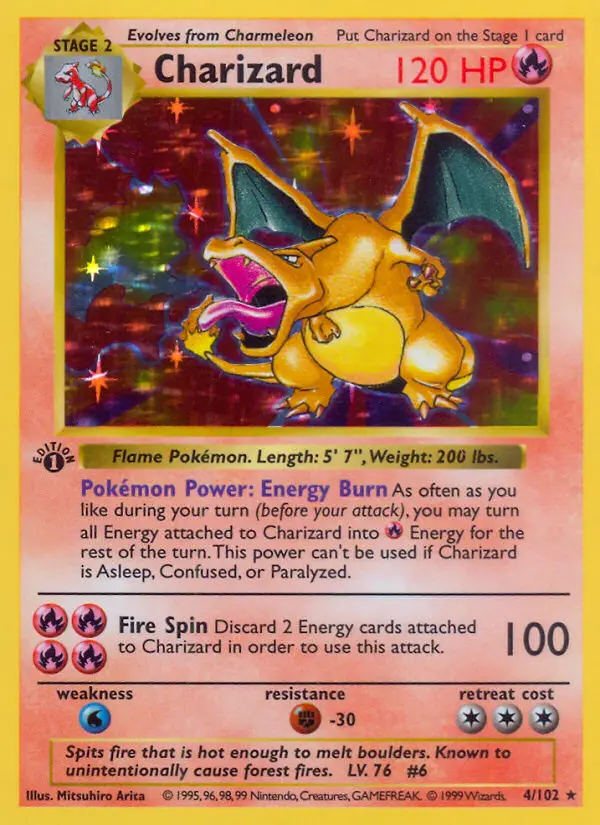
In most cases, a damaged Pokémon card has minimal to no resale value. A damaged common or uncommon from a modern set is worth $0 — it's cheaper and easier for any buyer to acquire a NM copy. However, there are narrow exceptions. Damaged 1st Edition Base Set holos, particularly Charizard, Blastoise, and Venusaur, can still command $20–$100 even with major creases or water damage because the 1st Edition stamp provides historical value independent of condition. Damaged vintage holographics with unique errors or provenance (e.g., a tournament-played card with a documented story) may attract niche collectors. Beyond these exceptions, damaged cards are best treated as bulk — either recycled, kept as personal mementos, or given to children who don't care about condition. Never buy a damaged card as an 'investment' unless it's a 1st Edition vintage holo where you understand exactly what you're purchasing and why. A PSA 1 (Poor) grade does technically authenticate the card, which can add marginal value for extremely rare prints, but the grading fee will almost always exceed the value added.
What to Do with Damaged Cards
If you discover damaged cards in your collection, your options depend on the card and the damage. For modern damaged cards with no market value, the simplest option is to recycle them — they take up space and have no collecting or playing purpose. For damaged vintage cards that might still have some value, document the damage with detailed photos and list them honestly at a deep discount if you want to recoup a few dollars. Some collectors use damaged vintage cards as practice pieces for learning restoration techniques (though restored cards should always be disclosed as altered). Parents often appreciate damaged cards as gifts for young children who are just getting interested in Pokémon and don't need pristine condition. If the damage is limited to one specific issue (a single clean crease, for example), you might send the card as an add-on 'throw-in' when selling other cards to a buyer — it adds goodwill value even if it has no monetary value. Finally, if you're artistically inclined, damaged cards can be used for creative projects like custom artwork, collages, or upcycled accessories — there's a market for Pokémon-themed crafts that repurpose cards too damaged for collecting.
Common questions
01 Can damaged cards be restored?
Minor damage like light creases and surface scuffs can sometimes be cosmetically improved, but true restoration (pressing, cleaning, trimming) is detectable by grading companies and collectors, and it typically reduces rather than increases a card's value. Heavily damaged cards with tears, water damage, or missing sections cannot be meaningfully restored and are better replaced than repaired.
02 Should I keep damaged cards in my collection?
Only if they have personal significance (your first pack pull, a gift from someone special) or if they're extremely rare vintage cards that are expensive in any condition. For everything else, damaged cards add clutter without adding value. Consider replacing them with better-condition copies when budget allows.
03 Are damaged Pokémon cards recyclable?
Technically yes — card stock is recyclable paper product. Remove any plastic sleeves before recycling. Some collectors prefer to repurpose damaged cards into crafts, bookmarks, or art projects rather than discarding them. There's no environmental or practical reason to hoard damaged modern cards.
04 How do I prevent my cards from becoming damaged?
Sleeve every card immediately after pulling it, store in binders or top loaders in a climate-controlled environment, never leave cards loose in pockets or bags, keep cards away from food and drinks, and handle cards by the edges with clean hands. The vast majority of damage is preventable with basic care habits.
Related Condition Guides

Check Your Card's Condition
Get Pokex free. Identify any Pokémon card and see what it is worth in seconds.
No credit card. No signup. Just scan.
Scan to download
Point your phone camera at a code

