Карты Pokémon как инвестиция — данные, стратегия, риски
Рынок карт Pokémon создал реальное богатство для информированных коллекционеров. Как оценивать карты как актив, что покупать и чего избегать.
Рынок карт Pokémon: динамика и исторические данные
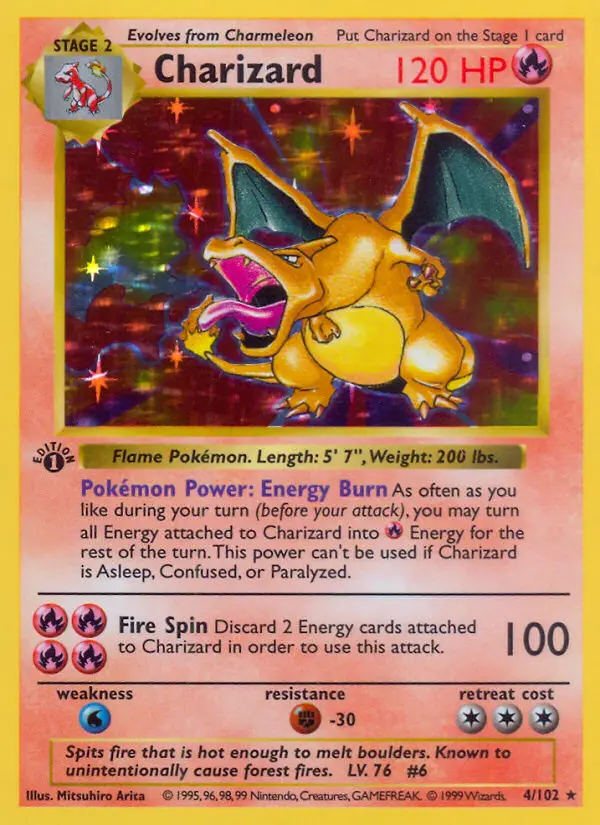
Рынок Pokémon TCG пережил беспрецедентный рост в 2019–2022: PWCC Index по винтажным картам вырос более чем на 600%. Драйверы: пандемийная ностальгия, Box Breaks Логана Пола, институциональные деньги в alternative assets. PSA 10 First Edition Base Set Charizard: ~$12 000 в 2019 → пик $420 000 в 2021 → ~$350–420 000 в 2024. Modern chase вроде Umbreon VMAX Alt Art: старт $80, пик $400, стабилизация $150–250. После бума 2020–2021 рынок созрел: speculative flipping снизился, цены стабильнее, рост плавнее. Винтаж WOTC (1999–2003) — сильнейшие performers: supply фиксирован и сжимается по мере грейдинга и long-term holding. Modern competitive staples колеблются с мета — ротация из Standard может срубить 80% overnight. Эти динамики критичны перед вложением капитала.
Что покупать: investment-grade карты и стратегии
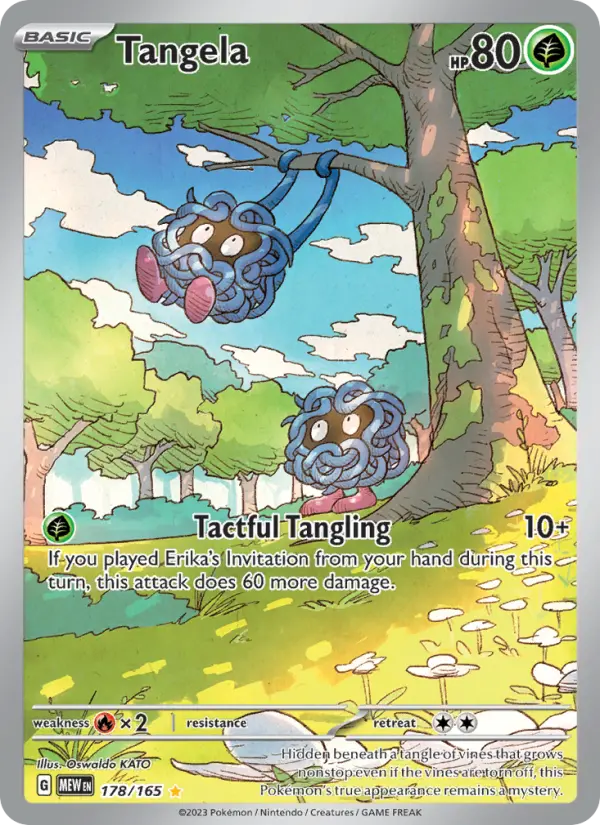
Надёжные вложения делятся на три категории. Первое: vintage WOTC 1st Edition и shadowless от Base Set до Skyridge (1999–2003) — fixed supply, сильный ностальгический спрос, десятилетия appreciation. PSA 10 First Edition Base Set Charizard ~20% годовых compounded за 20 лет. Второе: modern illustration rares и alt art — «арт-карты» вне competitive play; alt arts 2021–2023 (Evolving Skies, Silver Tempest, Crown Zenith) доказали устойчивый спрос. Третье: sealed product желаемых сетов — booster boxes, ETB, special collections держат ценность, потому что sealed supply только уменьшается при вскрытии. Не инвестируйте в current staples без глубокого понимания меты — rotation risk жесток. Sealed booster boxes популярных сетов исторически +10–30% в год после out of print. Японский sealed часто обгоняет English из-за tighter print runs и collectibility в Азии.
Риски, ликвидность и когда продавать
Карты Pokémon — неликвидный alternative asset: нельзя мгновенно продать по fair market value как акции. Коллекция на $10 000 по полной цене — недели/месяцы листинга и переговоров. Emergency liquidation — 50–70% market у дилера. Риск подделок растёт; одна убедительная fake может разрушить доверие ко всей коллекции. Market risk для modern: print runs The Pokémon Company неограниченны, репринты валят цены. Celebrations с classic Charizard-артом почти не затронул оригинал, но показал, что TPC может насытить спрос. Condition risk: угол или crease — половина цены за секунды. Storage: вода, выцветание, кража, огонь. Meaningful returns обычно требуют hold 5–10 лет. Лучшее время продажи — Q4 (праздники). Налоги: в большинстве юрисдикций collectible profits — capital gains, часто выше (28% collectibles rate в США). Ведите cost basis по каждой покупке.
Часто задаваемые вопросы
01 Хорошая ли инвестиция карты Pokémon в 2025?
Винтаж WOTC (1999–2003) остаётся сильным long-term вложением с десятилетиями данных. Modern alt art и illustration rares — спекулятивнее, но показали resilience. Sealed out-of-print — lower-risk entry. Не вкладывайте деньги, которые не можете потерять; ждите 5–10 лет для meaningful returns.
02 Какие карты Pokémon растут сильнее всего?
1st Edition base set, shadowless, vintage holo rares и PSA 10 иконы (особенно Charizard, Pikachu, Umbreon, Mewtwo) исторически росли больше всех. Среди modern — alt art и illustration rare из Evolving Skies и Crown Zenith.
03 Стоит ли инвестировать в sealed booster boxes Pokémon?
Sealed boxes популярных out-of-print сетов часто +10–30% в год. English WOTC boxes от $1000–5000+ — blue-chip collectibles. Modern sealed ($100–150 на релизе) могут удвоиться/утроиться за 2–3 года после OOP, но не все сеты равны. Фокус на сетах с сильными chase-картами.
04 Как защитить инвестиции в карты Pokémon?
Raw: penny sleeves + toploaders или side-loading binder pages. Климат-контроль, без солнца, влажности и экстремальных температур. Страховка: homeowners часто покрывает collectibles только до $1000–2500 — для $5000+ нужен collectibles rider или отдельный полис.
Related Selling Guides

Know Your Card's Value Before Selling
Скачайте Pokex бесплатно — определяйте и оценивайте любую карту Pokemon за секунды.
Без карты. Без регистрации. Просто сканируйте.
Сканируйте для загрузки
Наведите камеру телефона на код

