Moderately Played — честный износ, всё ещё пригодна к игре
Moderately Played карты показывают явные признаки использования — заломы, царапины, износ краёв — но остаются функциональными. Что знать об MP, ценах и когда это имеет смысл.
Что относится к состоянию Moderately Played (MP)
Moderately Played (MP) карты Pokémon показывают очевидный износ, сразу видимый при осмотре, но структурно достаточно целы для казуальной игры. Характерные признаки: заметный износ углов с побелением или округлением нескольких углов; существенное побеление краёв по одному или нескольким краям; видимые царапины или потёртости на поверхности (особенно на голограммах, где потёртость foil очевидна); лёгкие заломы или изгибы, не ломающие картон; мелкие дефекты печати — заводские или усугублённые обращением. MP могут иметь лёгкую деформацию от влажности, мелкие вмятины на краях, остатки стикеров или метки на обороте. Критично: у MP не должно быть крупных заломов, ломающих поверхность, рваных краёв, воды, надписей или пробитых отверстий — это уже Heavily Played или Damaged. На шкале PSA MP примерно соответствует PSA 4–5 (Very Good to Excellent). MP лучше всего подходят для сборки соревновательных колод на жёстком бюджете, казуальной игры или set-коллекций, где визуальное совершенство не главная цель.
Ценообразование и ценность MP-карт
Moderately Played обычно продаются за 25–50% рыночной цены Near Mint; точная скидка зависит от спроса и степени износа. Карта $50 NM в MP может уйти за $12–25 — доступный способ владеть желанными картами за долю стоимости. Но MP несёт заметный риск при перепродаже: рынок MP меньше, чем NM и LP, покупатели разборчивее. Популярные character-карты вроде Charizard, Umbreon и Pikachu всё ещё имеют приличный спрос в MP: бюджетные коллекционеры хотят карту независимо от состояния. Менее культовые MP могут быть трудны в продаже — большинство предпочтут чуть больше за LP, чем средний износ на ненужной карте. Выставляя MP, давайте несколько фото в высоком разрешении под разными углами и косым светом, описывайте каждый дефект детально — прозрачность строит доверие и предотвращает возвраты.
Использование MP для игры и коллекции
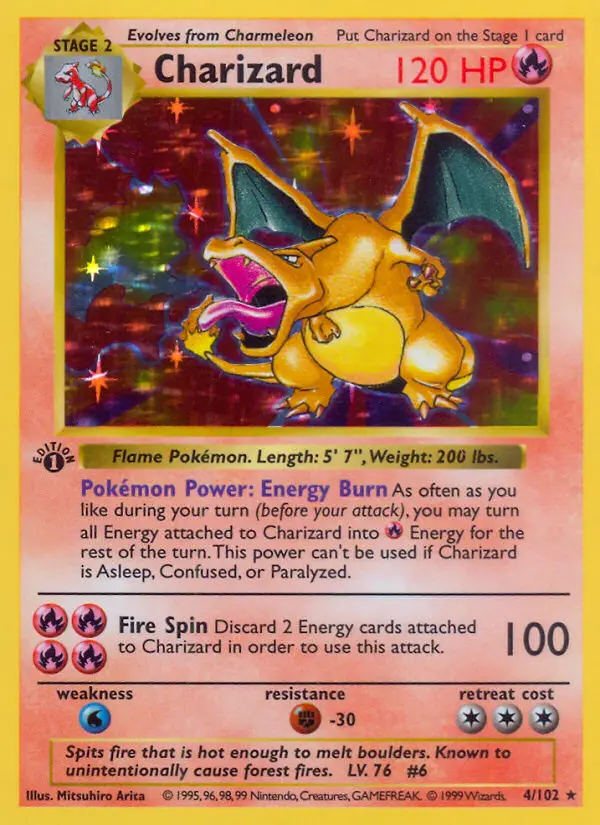
MP — рабочее состояние для соревновательных игроков Pokémon TCG. Собираете колоду для турнира или казуала — MP даёт лучшую ценность: косметический износ не влияет на игру, скидка 50–75% относительно NM позволяет собрать полностью конкурентную колоду доступно. Большинство местных организаторов принимают MP, пока карты опознаваемы и не помечены так, что отличаются от других в колоде. Для коллекционеров MP — заглушки: купите MP дорогой карты, заполните слот сета, пока копите на NM или graded-замену. Некоторые ищут MP-винтаж специально: moderately played 1st Edition Base Set holo имеет характер и историю, которых нет у pristine PSA 10, а заметно более низкая цена делает её доступной. Практично: всегда надевайте протектор на MP до колоды или биндера — уже изношенное состояние делает их уязвимее к дальнейшей деградации от обращения и среды.
Часто задаваемые вопросы
01 Легальны ли MP на турнирах?
Обычно да, пока износ не делает карту опознаваемой с оборота колоды и не даёт несправедливого преимущества. Заломы, видимые с оборота, метки или деформация, выделяющие карту в колоде, могут быть отмечены судьёй. При сомнении спросите главного судью до турнира.
02 Стоит ли покупать MP для коллекции?
Зависит от целей. Личное удовольствие и минимальная цена — MP жизнеспособны. Витрина или инвестиции — фокус на NM или лучше: MP сложнее перепродать и слабее растут. MP лучше как заглушка, пока копите на лучшую копию.
03 Как точно описать MP при продаже?
Перечислите каждый видимый дефект: какие углы изношены, сколько краёв с побелением, есть ли царапины или заломы, ломает ли залом поверхность. Фото под ярким косым светом для поверхности, оборот отдельно для износа краёв. Переописать всегда лучше, чем недоописать.
04 Можно ли улучшить или восстановить MP-карту?
Косметическое улучшение возможно, но рискованно. Некоторые используют микроабразивную чистку для поверхностных потёртостей, прессование снижает мелкие изгибы. Но такие изменения детектируются грейдерами (пометка «altered») и могут снизить, а не повысить ценность. Полное раскрытие любой реставрации обязательно.
Related Condition Guides

Check Your Card's Condition
Скачайте Pokex бесплатно — определяйте и оценивайте любую карту Pokemon за секунды.
Без карты. Без регистрации. Просто сканируйте.
Сканируйте для загрузки
Наведите камеру телефона на код

