Every Pokémon Era Explained
From Base Set's iconic holographics to Scarlet & Violet's stunning illustration rares, each Pokémon era brings unique mechanics, art styles, and collecting opportunities. Here's how they compare.
Wizards of the Coast Era (1999–2003)
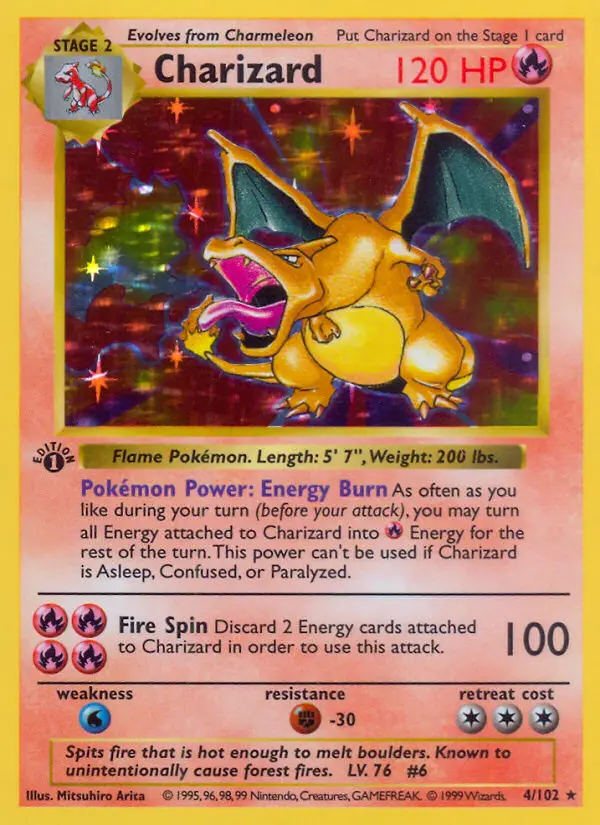
The WotC era launched Pokémon card collecting and defined its culture. Spanning Base Set through Skyridge (21 English sets plus numerous promos), this era features the thickest card stock, the most iconic artwork, and the highest per-card values in the hobby. Base Set introduced the game with holographic Charizard, Blastoise, and Venusaur — cards that remain the gold standard of Pokémon collecting decades later. Jungle and Fossil expanded the roster with beloved holographics like Jungle Mew and Fossil Ditto. The Team Rocket and Gym Heroes sets introduced Dark-type and Gym Leader cards, diversifying the game's aesthetic. The Neo series (Neo Genesis through Neo Destiny) brought Shining Pokémon — visually stunning holo patterns that remain among the most beautiful cards ever printed. The E-Reader era (Expedition, Aquapolis, Skyridge) was the WotC era's swan song, featuring barcoded cards compatible with the Game Boy Advance e-Reader and the legendary crystal holographic patterns of Skyridge that many collectors consider the finest card art ever produced. WotC-era cards are distinguished by thicker card stock, the Wizards of the Coast copyright, and the lack of the 'Black Star' promo symbol used in later eras. The combination of nostalgia, scarcity, and cultural significance makes WotC-era collecting the most prestigious segment of the Pokémon TCG market.
EX, Diamond & Pearl, and Black & White Eras (2003–2013)
After Nintendo took over from WotC in 2003, the EX era introduced Pokémon-ex cards with higher HP and stronger attacks, plus the visually stunning EX holographic patterns. Ruby & Sapphire, Sandstorm, and Dragon set the tone for this era with expanded mechanics and dual-type Pokémon. The Diamond & Pearl era (2007–2010) introduced Pokémon LV.X — powerful evolution-style cards that sat atop the existing Pokémon — and the beloved Pokémon LEGEND dual cards featuring dramatic split artwork across two cards. Platinum expanded the LV.X mechanic with some of the era's most-played cards. The HeartGold & SoulSilver sets are a highlight of this period, reintroducing Gold Star-style holographics and popular Pokémon from the Johto region. The Black & White era (2011–2013) brought Pokémon-EX back with a new design, full-art supporter cards, and the first Secret Rare chase cards. BW-era sets like Black & White, Emerging Powers, and Plasma Freeze established the modern framework of rare tiering (EX, FA, Secret) that persists today. Collectors value these middle eras less than both WotC and modern sets, making them accessible entry points for collectors interested in unique mechanics and distinctive art styles at lower prices.
XY, Sun & Moon, Sword & Shield, and Scarlet & Violet Eras (2014–Present)
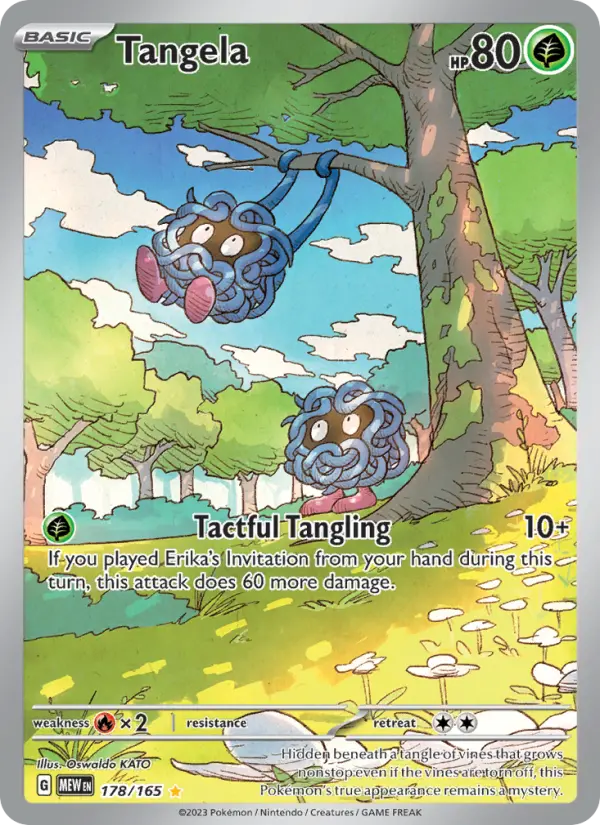
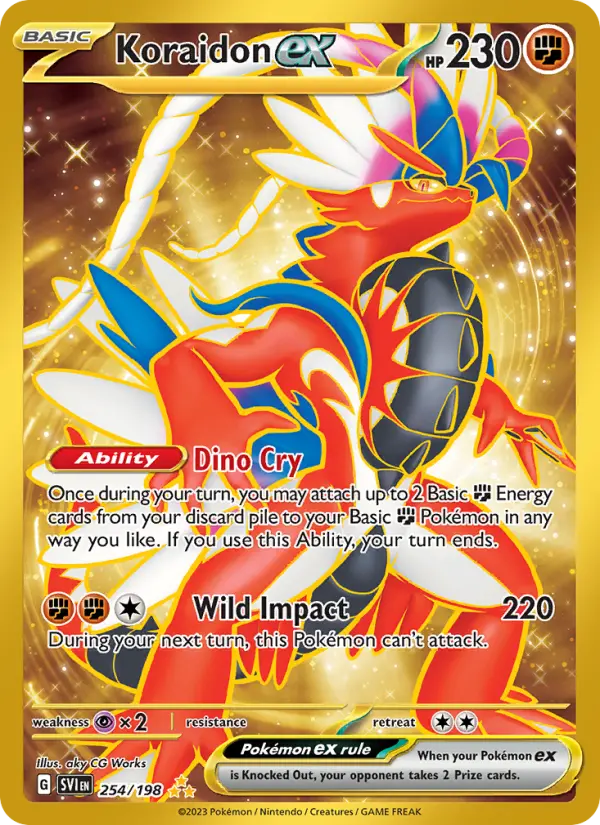
The XY era (2014–2017) introduced Mega Evolution Pokémon-EX and the breakthrough 'BREAK' mechanic, along with gorgeous full-art secret rare patterns. Flashfire, Roaring Skies, and Evolutions (which reimagined Base Set cards in the modern style) are standout sets. Sun & Moon (2017–2019) shifted to Pokémon-GX with one-time-use powerful attacks, introduced Prism Star cards, and most importantly, launched the Tag Team GX mechanic — dual-Pokémon cards featuring dramatic combined artwork that elevated Pokémon card art to a new level. Sword & Shield (2020–2023) is the most transformative modern era for collectors. It introduced Pokémon V, VMAX, and VSTAR with escalating power tiers, and most significantly, it popularized alternate art (alt art) cards — unique reinterpretations of popular Pokémon in expressive, non-standard art styles. Evolving Skies, Lost Origin, Fusion Strike, and Crown Zenith are the era's collecting highlights, each featuring multiple highly sought-after alt arts. Scarlet & Violet (2023–present) continues the alt art tradition with Illustration Rares and Special Illustration Rares, introduces Pokémon ex (lowercase) as the primary rare mechanic, and refines the rarity tier with clearer labeling. The SV era also brings terastallized Pokémon with crystalline foil effects that add a new visual dimension to collecting.
Часто задаваемые вопросы
01 Which Pokémon era is best for new collectors?
The current era (Scarlet & Violet) is most accessible — sets are in print, packs are widely available, and modern illustration rares offer stunning chase cards at approachable prices. The WotC era is most prestigious but requires significant budget. The EX–BW middle eras offer the best value, with unique mechanics and lower prices.
02 What makes WotC-era cards so expensive?
Three factors: nostalgia (the original Pokémon generation grew up with these cards), scarcity (1st Edition and Shadowless runs were small, and many cards were lost to play damage over 25 years), and cultural significance (Base Set Charizard is arguably the most iconic trading card ever printed). No new supply can enter the market, so demand growth directly drives price increases.
03 Are middle-era Pokémon sets (EX, DP, BW) worth collecting?
Yes, and they're currently undervalued relative to both vintage and modern sets. EX-era ex cards, DP-era LV.X cards, and BW-era full-art supporters offer unique mechanics and artwork at prices well below both WotC and modern equivalents. Collectors looking for distinctive cards without the premium of Base Set or Evolving Skies should explore these eras.
04 How do set sizes compare across eras?
WotC-era sets were compact (Base Set: 102 cards, Jungle: 64, Fossil: 62). Modern sets are much larger — Scarlet & Violet base set has 198 cards plus secret rares pushing the total past 230. This larger set size makes set completion more expensive and time-consuming, but also provides more variety and more chase card slots per set.
Other side-by-sides


Compare Card Prices Instantly
Скачайте Pokex бесплатно — определяйте и оценивайте любую карту Pokemon за секунды.
Без карты. Без регистрации. Просто сканируйте.