Покажите коллекцию стильно
Карты Pokemon достойны быть на виду. Как создать эффектные витрины, которые защищают карты и превращают коллекцию в визуальный центр.
Настенные витрины и рамки
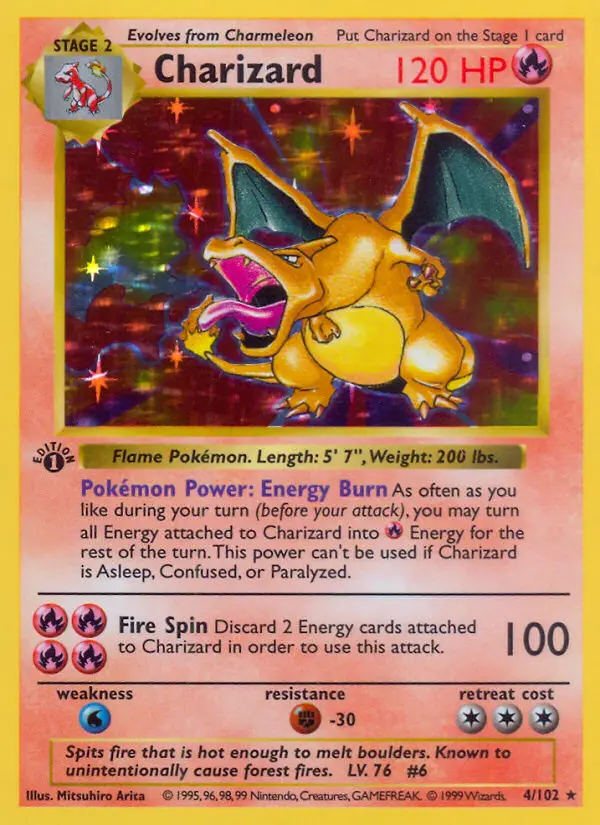
Стена — самый эффектный способ: пустая стена становится цветной галереей лучших пуллов и дорогих карт. Популярный подход — card frame displays: неглубокие shadow box со слотами под sleeved или unsleeved карты (BCW, Ultra Pro, от 9 до 100+ карт). Для custom-look — floating frames с acid-free mat и вырезами, сетка или тема (все Charizard, по одной из каждого сета). Всегда UV-стекло или акрил, чтобы holo не выцветал и рамки не желтели. Вдали от окон и прямого света; LED-лента за рамкой — безопасная драматичная подсветка без UV. Крепите к стене анкерами под вес: большая витрина со стеклом 15–30 фунтов (7–14 кг) — только в стойку/балку, не только в гипсокартон.
Биндер как витрина
Биндеры — самый частый формат, но functional storage и showcase — разные вещи. Берите качественный биндер с прозрачными archival-safe страницами — Ultra Pro Eclipse и Vault X дают и защиту, и презентацию. Логика: хронология релизов, алфавит по имени, или редкость с чейсами впереди. Разделители сетов и подписи секций. Один пустой слот между крупными блоками — «воздух»; переполненный биндер заставляет глаз проскакивать карты. Для абсолютных топов — секция «highlight reel» в начале, которую периодически меняете. Double-sleeve каждую карту в display-биндере: защита от царапин страницами и безопасный просмотр с обеих сторон при листании.
Полки и шкафы
Шкафы со стеклом (curio / IKEA Detolf) идеальны для слабов, top-loader карт и sealed. Слабы на наклонных подставках ~30° — этикетка грейда и карта видны стоя. LED puck lights сверху — ровный свет без жара и UV галогена/люминесцента. Влажность — осушители внутри, проверка раз в месяц. Sealed (ETB, booster boxes) — акриловые risers ярусами, чтобы был виден арт. Не ставьте глубже двух рядов: задний ряд невидим. Раз в месяц ротируйте витрину: разные части коллекции в фокусе и осмотр на пыль или конденсат в слабах.
Часто задаваемые вопросы
01 Портит ли солнце карты Pokemon на витрине?
Да. Прямое солнце и даже непрямой UV выцветают holo, желтят белые рамки и портят картон. Выставляйте вдали от окон, с LED (минимум UV). Если у окна — UV-плёнка на стекло и UV-фильтр в рамах.
02 Как лучше подсветить витрину с картами?
LED-ленты и LED puck lights — почти без UV, мало тепла, дёшево. Избегайте люминесцентных и галогенных ламп с сильным UV. Свет сверху вниз — ровная подсветка без «горячих» пятен на отдельных картах.
03 Как выставить карты без рамок?
Акриловые подставки и магнитные display blocks ставят отдельные карты на полку или стол. DIY — клейкие card rail strips на стене для ряда sleeved-карт. Никогда скотч или клей прямо на карту — только подставки, рейки или магнитные холдеры для карт.
04 Как часто ротировать выставленные карты?
Каждые 2–3 месяца. Вся коллекция на виду, осмотр на проблемы, витрина не надоедает. Чаще не нужно — каждый swap повышает риск повреждений от хэндлинга.
Related Collecting Guides
Track Your Collection
Скачайте Pokex бесплатно — определяйте и оценивайте любую карту Pokemon за секунды.
Без карты. Без регистрации. Просто сканируйте.
Сканируйте для загрузки
Наведите камеру телефона на код

