Start Your Pokémon Card Collection Today
Everything you need to know about buying, organizing, and preserving Pokémon cards — from your first pack to a curated collection worth showing off.
Setting Your Collecting Goal
Before you buy a single pack, decide what kind of collector you want to be. Some collectors chase every card in a specific set (master set collecting), others focus on a single Pokémon across every generation (character collecting), and still others hunt for vintage holographic cards from the Wizards of the Coast era. Your goal determines your budget, storage needs, and buying strategy. A master set collector needs tracking spreadsheets and bulk storage, while a character collector might only buy a few high-end singles each year. Write down your top three priorities — whether that's completing a specific set, accumulating rare vintage slabs, or simply enjoying the thrill of opening packs — and let those priorities guide every purchasing decision. Collectors who define their goals early avoid overspending on impulse buys that don't fit their collection.
Buying Your First Pokémon Cards
New collectors should start with products that offer the best value per dollar. Elite Trainer Boxes (ETBs) provide eight booster packs, a set-specific promo card, and storage accessories for a reasonable price, making them the go-to entry point. Booster bundles — six packs shrink-wrapped together — are another cost-effective option available at big-box retailers and online. Avoid loose packs from marketplace sellers until you can spot resealed packs, and steer clear of big-box stores where packs may have been searched (pack weighing is a real problem with older sets). For your first purchase, buy from a reputable local game store, the Pokémon Center website, or a trusted online retailer like TCGplayer. Once you've opened packs and identified which cards you still need, complement your pulls with singles purchases — buying singles is almost always cheaper than chasing specific cards through random packs.
Understanding Sets, Symbols, and Rarity
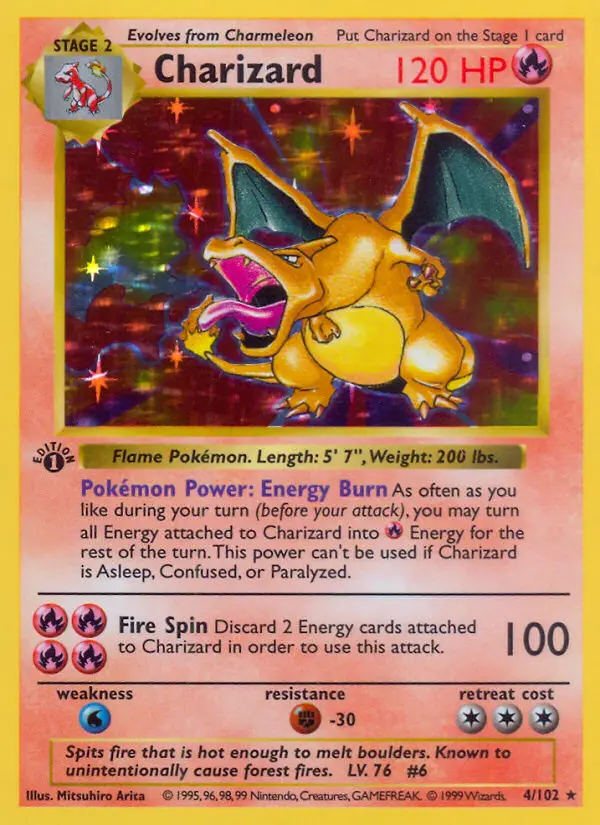
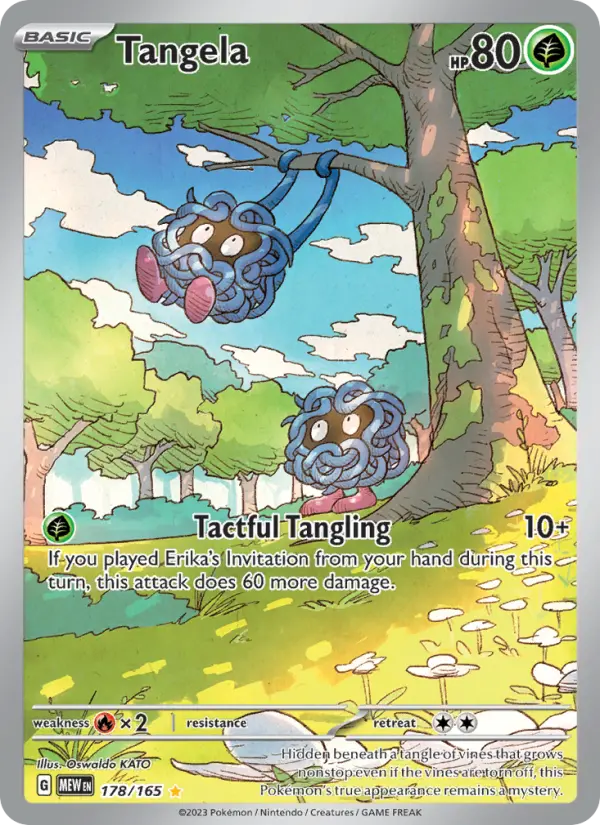
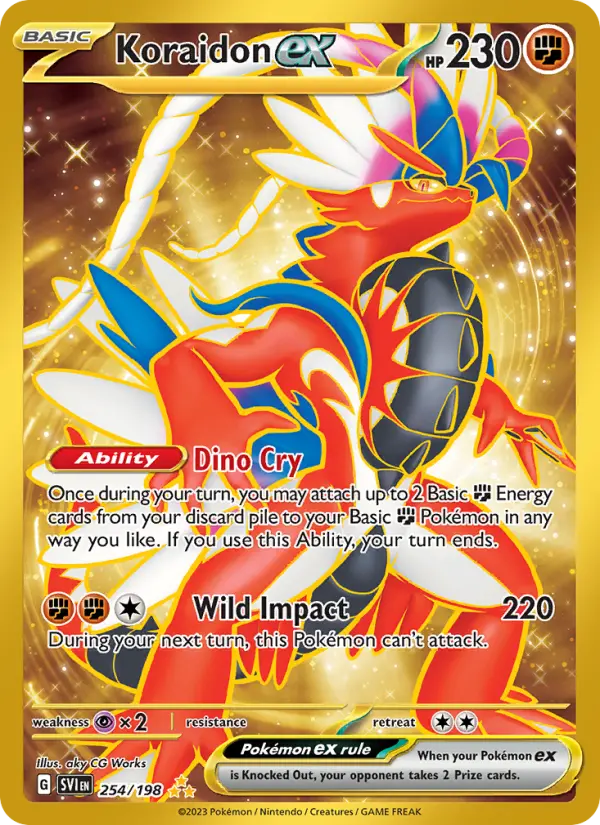
Every Pokémon card belongs to a set, and each set has a unique symbol printed in the bottom-right corner of the card. Base Set uses a circle with a star-like shape, Jungle uses a flower, and Fossil uses a claw fossil — knowing these symbols helps you quickly identify and organize your cards. Modern sets use a set abbreviation and number (like SVI 198/198) that tells you exactly where the card falls in the set and whether you've completed it. Rarity is denoted by the shape in the bottom corner: a circle for Common, a diamond for Uncommon, a star for Rare, a holographic star for Ultra Rare (like EX, GX, V, or VMAX cards), and special symbols for Secret Rare and Illustration Rare cards. Understanding these markers lets you evaluate every pack pull immediately and track your progress toward set completion.
Organizing and Tracking Your Collection
A well-organized collection is easier to enjoy, insure, and sell if you ever choose to. Start by sorting cards by set and number, using the set symbol and collector number to file each card in its correct position. Binder pages with nine-pocket sleeves are ideal for showcasing holographic and rare cards, while bulk storage boxes work for commons and uncommons you want to keep. Digital tracking tools like Pokex let you scan or search for cards, log your inventory, and see which cards you're missing from any set. Update your tracker after every purchase and periodically audit your binder against your digital records — mismatches can reveal cards you've misplaced or forgotten about. Keeping photos of your highest-value cards is also a smart practice for insurance claims and resale documentation.
Common questions
01 How much does it cost to start collecting Pokémon cards?
You can start collecting for as little as $20–$40 with a booster bundle or a single Elite Trainer Box. Most new collectors spend $30–$100 per month, but there's no minimum budget — buy what you can afford and focus on singles to maximize value.
02 Should I buy packs or singles?
If you enjoy the thrill of opening packs, buy packs — but understand that pulling a specific card from packs is statistically unlikely and often more expensive than buying the single outright. For completing sets on a budget, singles are far more cost-effective.
03 Are Pokémon cards a good investment?
Vintage and rare Pokémon cards have appreciated significantly over the past decade, but the market is volatile and not every card gains value. Collect because you enjoy it first; treat any financial upside as a bonus rather than a guaranteed return.
04 How do I know if a Pokémon card is fake?
Look for telltale signs: misaligned borders, fuzzy or off-center printing, incorrect font weights, cards that feel too thin or too glossy, and lack of a light-test holographic pattern when held up to a flashlight. When in doubt, compare the card side by side with a verified authentic copy.
Related Collecting Guides

Track Your Collection
Get Pokex free. Identify any Pokémon card and see what it is worth in seconds.
No credit card. No signup. Just scan.
Scan to download
Point your phone camera at a code

