Typ Trujący
Jadowite i groźne — Pokémony Typu Trującego były wielokrotnie przekwalifikowywane w różnych typach TCG na przestrzeni lat, co czyni je jedną z najbardziej złożonych kategorii do kolekcjonowania.
What Are Poison Type Pokemon Cards?
Poison-type Pokémon aus den Videospielen haben in der TCG eine turbulente Klassifizierungsgeschichte hinter sich. Ursprünglich wurden Poison-Pokémon dem Grass-Typ (Oddish, Koffing) oder dem Psychic-Typ (Gastly, Haunter) zugeordnet. Die Sun & Moon-Ära reklassifizierte viele Poison-Pokémon mit einer eigenen Identität, doch hat die TCG nie eine dedizierte „Poison-Typ
Key Cards & Strategies
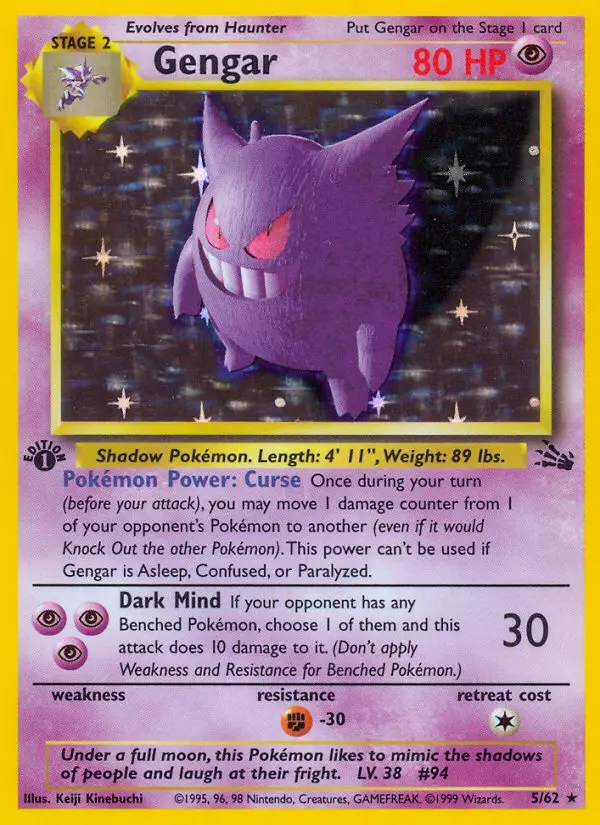
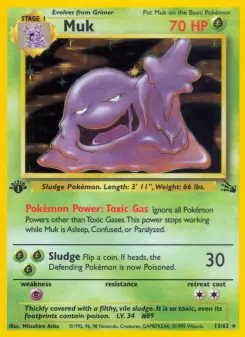
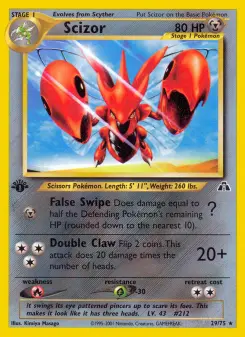
Gengar aus Fossil (30–60 $) ist die ikonischste Poison-Karte, obwohl sie als Psychic-Typ gedruckt wurde. Muk aus Fossil (10–20 $) und Weezing aus Jungle (5–10 $) sind klassische Poison-Pokémon, die als Grass-Typ gedruckt wurden. Crobat aus Neo Revelation (15–25 $) repräsentiert die Poison/Flying-Familie. In der modernen Ära sind Toxtricity VMAX aus Vivid Voltage (10–20 $) und Galar-Slowbro V aus Rebel Clash beliebte Poison-Karten. Nihilego GX aus Sun & Moon (8–15 $) steht für das Ultra-Bestie-Poison-Archiv. Die Skorupi- und Drapion-Linien aus verschiedenen Sets runden die Poison-Sammlung ab.
Competitive & Collector Value
Poison-Typ-Pokémon in der TCG zeichnen sich durch statusveränderndes Gameplay aus. Der Vergiftungszustand (ein Schadenszähler wird zwischen den Zügen gesetzt) ist seit dem Base Set ein zentrales Spielelement, und Poison-Pokémon sind besonders gut darin, diesen Zustand anzuwenden und zu stapeln. Muk aus Fossil verhinderte die Nutzung von Trainer-Karten. Seviper aus der EX-Ära stapelte Giftschaden. In Sun & Moon brachten Toxapex und Nihilego GX die Poison-Manipulation auf ein neues Niveau. In Sword & Shield punktete Toxtricity VMAX mit kombinierten Gift- und Schadensangriffen. In Scarlet & Violet setzt Gengar ex die Tradition der Vergiftungsangriffe mit verstärktem Giftschaden fort. Poison-Decks belohnen Geduld und einen auf Zermürbung ausgerichteten Spielstil.
Poison Type Pokemon Cards cards to know
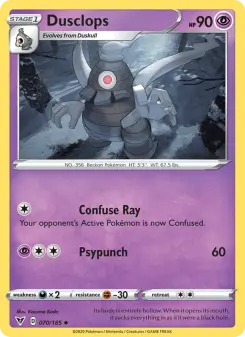
Iconic Karty Pokémon Typu Trującego from across every era.
Scanner Advantage
Pokex erkennt Poison-Pokémon über ihre verschiedenen TCG-Typbezeichnungen hinweg – Grass-Typ-Muk, Psychic-Typ-Gengar und Darkness-Typ-Toxtricity sind allesamt Poison-Pokémon. Der Scanner versieht jede Karte mit ihrem Videospieltyp, wodurch ein umfassendes Sammeln von Poison-Pokémon trotz der fragmentierten TCG-Verteilung des Typs möglich wird.
Najczęściej zadawane pytania
01 Is Poison Type a separate type in the Pokemon TCG?
No, the TCG has never had a dedicated Poison Type. Poison Pokemon are distributed across Grass Type (Oddish, Koffing, Muk), Psychic Type (Gastly, Haunter, Gengar), and Darkness Type (Skorupion, Toxtricity) depending on their secondary type and the specific set.
02 What is the most valuable Poison Type Pokemon card?
Fossil Gengar holo ($30-60) is the most valuable Poison-associated card. As a Psychic Type in the TCG but a Ghost/Poison type in the games, Gengar's vintage holos carry strong collector demand. Crobat from Neo Discovery ($15-25) is also sought-after.
03 How does the Poison condition work in the TCG?
Poison places a damage counter (10 HP, or more with abilities) on the affected Pokemon between turns. Poison Pokemon often pair the Poison condition with additional effects like increased Poison damage (Seviper, Toxtricity VMAX) or bonus damage to Poisoned targets (Gengar ex).
04 Why were Poison Pokemon reclassified in the TCG?
The TCG simplifies the 18 video game types into fewer categories. Poison Pokemon are assigned based on their secondary type and the set's type distribution needs. Distributing Poison across multiple TCG types allows them to fill gaps in Grass, Psychic, and Darkness decks.

Scan Karty Pokémon Typu Trującego Instantly
Pobierz Pokex za darmo — zidentyfikuj i wyceń dowolną kartę Pokémon w kilka sekund.
Bez karty. Bez rejestracji. Po prostu skanuj.
Zeskanuj, aby pobrać
Skieruj aparat telefonu na kod

