Check condition before you price the card
Condition is often the difference between a card worth lunch money and a card worth grading. Use Pokex to understand the factors that move Pokemon card value before you sell, trade, or submit.
The four condition checks that matter most
Pokemon card condition is usually judged through centering, corners, edges, and surface. Centering measures whether the printed borders are balanced. Corners should be sharp with no bends or whitening. Edges reveal chipping, silvering, and handling wear. Surface is where holo scratches, print lines, dents, stains, and fingerprints appear. A card can look clean in a binder but still lose major value under angled light. A practical condition checker forces you to inspect each factor instead of pricing every card as near mint.
How condition changes market value
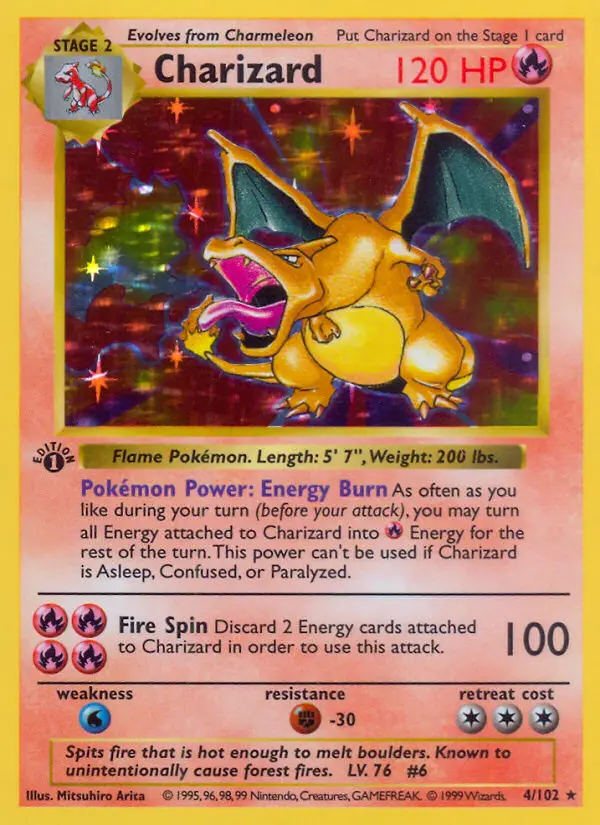
Condition changes value more dramatically as card value rises. A $3 modern rare may only lose a few dollars from light wear, but a vintage holo can lose hundreds or thousands between near mint and moderately played. Grading amplifies the spread even further: PSA 10, PSA 9, PSA 8, and raw near mint can be very different markets. Use Pokex pricing as a baseline, then adjust based on visible flaws and comparable sold listings for the condition you actually have.
When to grade, sell raw, or keep the card
A condition check helps you avoid bad grading submissions. Cards with obvious whitening, soft corners, bends, dents, or holo scratches rarely make sense to submit unless the card is valuable even in lower grades. Clean modern chase cards and high-value vintage holos deserve closer inspection because one grade point can change the return. For lower-value cards, honest raw condition notes often produce a faster sale than paying for grading.
Häufige Fragen
01 Can an app tell my exact PSA grade?
No app can guarantee a PSA, CGC, or BGS grade. A condition checker can help you inspect visible issues and estimate whether grading is worth considering.
02 What condition flaws hurt Pokemon card value most?
Creases, dents, heavy surface scratches, edge whitening, bent corners, and poor centering are the most common value killers. Surface flaws on holo cards are especially important.
03 Should I clean a Pokemon card before selling?
Do not use chemicals, water, or abrasive cleaning. At most, remove loose dust carefully. Altering or damaging the surface can reduce value and cause grading problems.
04 How should I describe condition in a listing?
Use conservative terms such as near mint, lightly played, moderately played, heavily played, or damaged, and include clear photos of front, back, corners, edges, and any flaws.
Related Condition Guides

Check Your Card's Condition
Lade Pokex kostenlos herunter — identifiziere und bewerte jede Pokemon-Karte in Sekunden.
Keine Kreditkarte. Keine Anmeldung. Einfach scannen.
Zum Herunterladen scannen
Richte die Kamera deines Handys auf einen Code

