Pokemon Card Storage Guide
The Cost of Bad Storage
A 1st Edition Fossil Dragonite in near-mint condition sells for $80-120. That same card pulled from a shoebox in a garage — bent, yellowed, with soft corners — sells for $10-15. Storage is not glamorous, but it is the difference between a collection that appreciates and one that deteriorates. Every dollar spent on proper storage pays for itself many times over.
Penny Sleeves: The Non-Negotiable Baseline
Every single card you own should be in a penny sleeve. No exceptions. Ultra PRO and BCW penny sleeves run about $2-3 per hundred, making them the cheapest insurance in the hobby.
Insert each card face-up with the opening at the top. This prevents dust settling on the card face. For cards you handle frequently, consider inner sleeves (also called perfect-fit sleeves) that fit snugly around the card with minimal air space. KMC Perfect Fit and Dragon Shield Sealable are the gold standard here — they run about $4 per hundred.
One detail most beginners miss: never force a card into a tight sleeve. If the sleeve feels snug, switch to a different brand. Scraping a card edge against a tight polypropylene opening leaves micro-scratches visible under grading magnification.
Top Loaders: Rigid Protection for Singles
Standard 35pt Ultra PRO top loaders fit regular Pokemon cards perfectly. Slip a penny-sleeved card into the top loader, then close the opening with a piece of painter's tape folded over the edge (never tape directly to the card or sleeve). This setup provides:
- Bend protection — rigid plastic prevents warping and creasing
- Surface protection — the penny sleeve handles direct contact
- Shipping readiness — top-loaded cards ship safely in bubble mailers
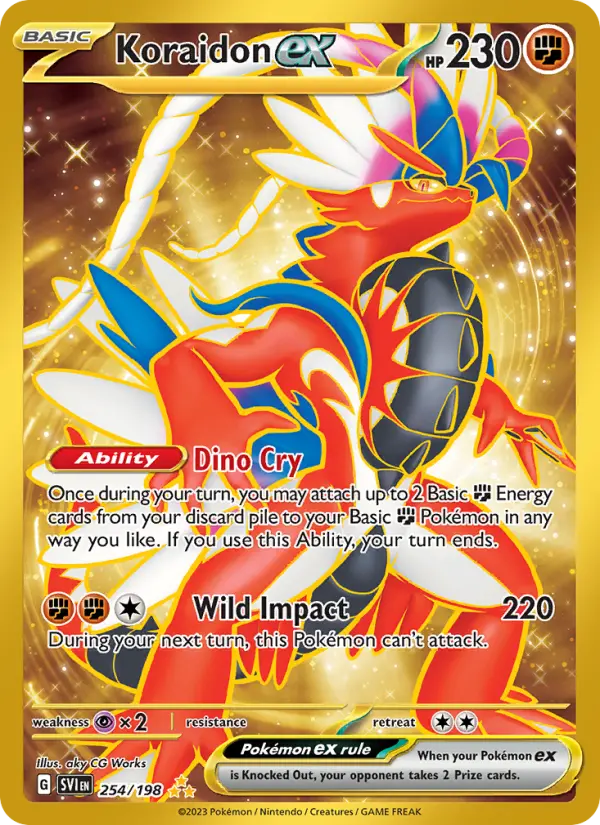
For textured cards like full arts and SARs from Scarlet & Violet sets, use 55pt or 75pt top loaders. The extra thickness accommodates the raised texture without pressing against it.
Ultra PRO Semi-Rigid Card Savers (Card Saver 1) are preferred by PSA for grading submissions. Keep a stack on hand if you plan to grade cards — they make the submission prep faster.
Binder Storage: Display and Organization
Binders are the best way to browse and show off your collection. But the wrong binder setup causes more damage than no binder at all.
Do:
- Use side-loading pages (the pocket opening faces the spine, not the top). Vault X, Ultra PRO Platinum, and Dragon Shield pages are all reliable.
- Choose a D-ring binder or zippered portfolio. D-rings sit to one side and do not press against pages.
- Fill pages completely or use filler cards in empty slots so cards do not shift and bang around.
Do not:
- Use O-ring binders. The rings press directly against the middle pages, denting cards over time.
- Use top-loading pages. Cards slide out when you flip through the binder or stand it upright.
- Overstuff pages. Jamming two cards into one pocket compresses both and causes edge wear.
For high-value collections, consider a zippered portfolio like the Vault X Premium or Dragon Shield Codex. These eliminate the ring problem entirely and provide a secure zipper closure.
Long-Term Storage Boxes
BCW cardboard storage boxes and Ultra PRO satin tower deck boxes are workhorses for bulk storage. A BCW 3200-count box holds about 2,500 sleeved cards standing upright with dividers. Label dividers by set for easy retrieval.
For extra protection, line the bottom of cardboard boxes with acid-free tissue paper. Store boxes off the floor (shelving prevents moisture wicking from concrete) and away from exterior walls where temperature fluctuates most.
Climate Control: The Invisible Threat
Pokemon cards are layered paper products. The front and back layers respond differently to moisture changes, which is exactly why cards curl. Managing your storage environment prevents the three biggest enemies:
Humidity
Target 40-50% relative humidity. Above 60%, you risk mold growth and permanent warp. Below 30%, cards become brittle and crack. A $15 hygrometer from Amazon monitors this. In damp basements or coastal climates, run a dehumidifier or add silica gel packets to sealed storage containers (replace them every 3-4 months).
Temperature
Keep cards at 65-75°F (18-24°C). Attics routinely hit 120°F+ in summer, which softens adhesives and damages foil layers. Garages swing between freezing and baking. A temperature-stable closet in a climate-controlled room is ideal.
UV Light
Ultraviolet radiation fades card artwork and yellows white borders within months of direct exposure. Never display cards in frames near windows without UV-protective glass or acrylic. Even indirect sunlight over years causes measurable fading. Museum-quality UV-filtering frames from Framebridge or IKEA RIBBA with UV acrylic inserts work well for displayed cards.
Storage by Value Tier
$100+ cards: Penny sleeve + Card Saver or top loader, stored flat in a fireproof safe or bank safe deposit box. Seriously consider professional grading — a PSA slab is the ultimate protection.
$20-100 cards: Penny sleeve + top loader, stored in a climate-controlled closet. Group these in BCW boxes with dividers.
$5-20 cards: Penny sleeve in a binder with side-loading pages. These are your browsing collection.
Under $5: Penny sleeve in a storage box. Even bulk cards deserve sleeves — today's $0.50 card could be tomorrow's $50 card if the Pokemon gets a new popular form or viral moment.
Catalog Before You Store
Scan your entire collection with Pokex before putting cards away. A digital catalog means you never have to rifle through physical cards to check what you own. You get instant access to your full inventory, current values, and set completion progress without touching a single card.